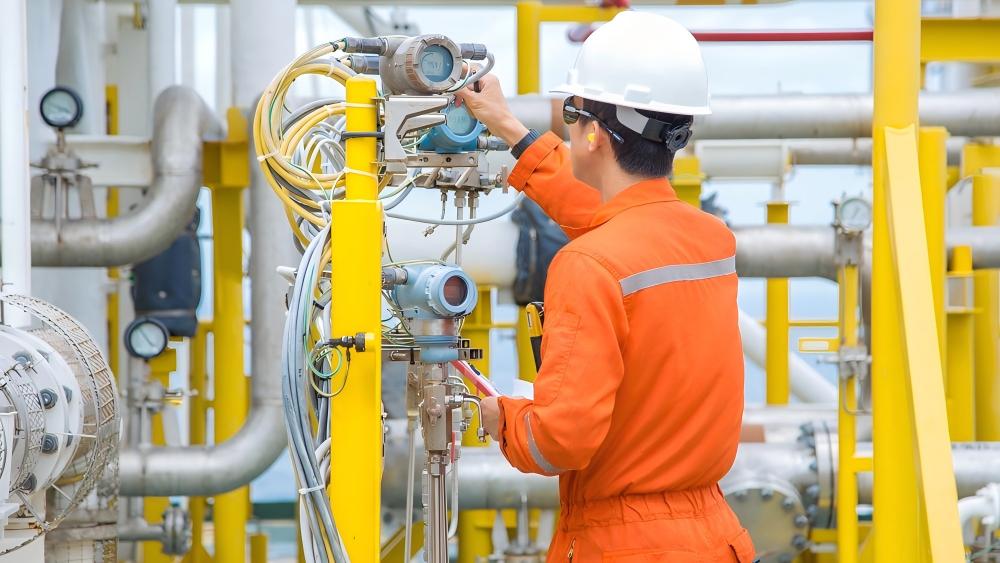
The main difference between carbon molecular sieves and activated carbon lies in their pore size and the way they adsorb substances. Carbon molecular sieves have tiny, precise pores that can adsorb specific gas molecules. Activated carbon, on the other hand, has pores of varying sizes and can adsorb a variety of substances. This difference affects their applications in factories:
| Feature | Carbon Molecular Sieve – JXH | Activated Carbon |
|---|---|---|
| Pore Size Distribution | Exact, picks certain gases | Many sizes, catches many things |
| Adsorption Mechanism | Picks certain gases | Catches many things physically |
| Regeneration Process | Faster and stronger | Takes more time |
| Application | Used for pure nitrogen separation | Used for removing pollution |
- Carbon molecular sieve is best for separating gases like nitrogen.
- Activated carbon is good for cleaning air and water.
- Their special shapes make them useful in different jobs in factories and for the environment.
Key Takeaways
- Carbon molecular sieve has very small, exact holes. These holes help separate certain gases. This makes it great for making pure nitrogen and hydrogen.
- Activated carbon has many different pore sizes. It can trap many kinds of pollutants from air and water. This makes it important for cleaning jobs.
- Pick carbon molecular sieve for good gas separation and reuse. Activated carbon is better for most cleaning because it costs less at first.
Carbon Molecular Sieve vs Activated Carbon: Definitions
What is Carbon Molecular Sieve?
Carbon molecular sieves are special materials that facilitate the separation of different gases. Scientists and engineers use them in many fields. They can separate specific molecules from mixtures. Their structure features fine, uniform pores that allow only a portion of gas molecules to pass through, while others are blocked. This makes them extremely useful in the production of hydrogen and nitrogen.
- Carbon molecular sieves classify gas molecules according to their size.
- They allow certain gases to move faster than others.
- Plants use them to produce pure nitrogen or hydrogen.
- They work best under specific pressures and temperatures.
Note: Carbon molecular sieves are important for gas separation. Their small holes and strong trapping power help a lot.
What is Activated Carbon?
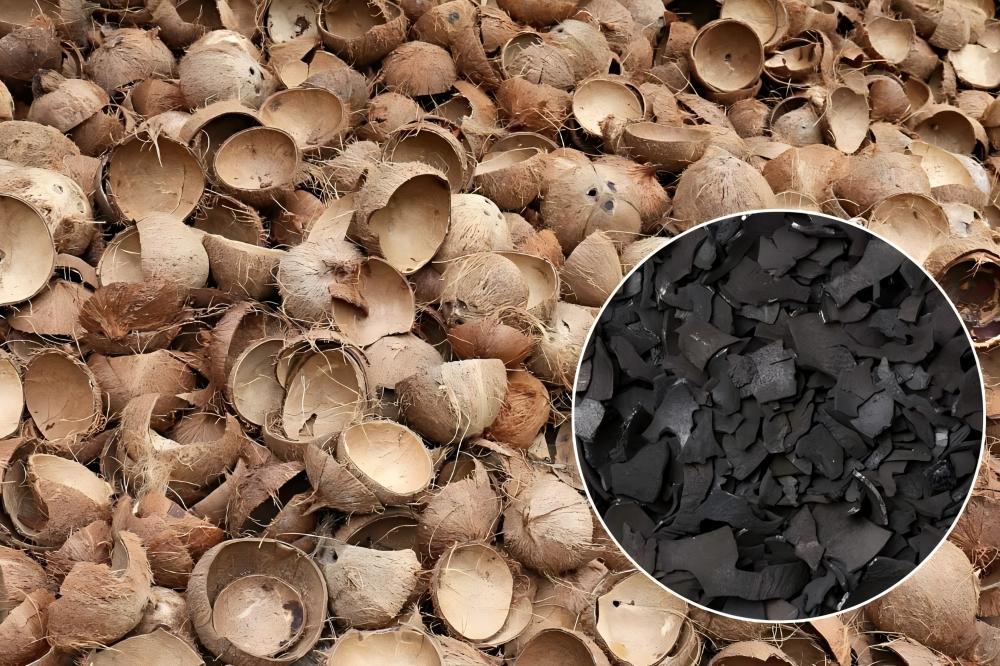
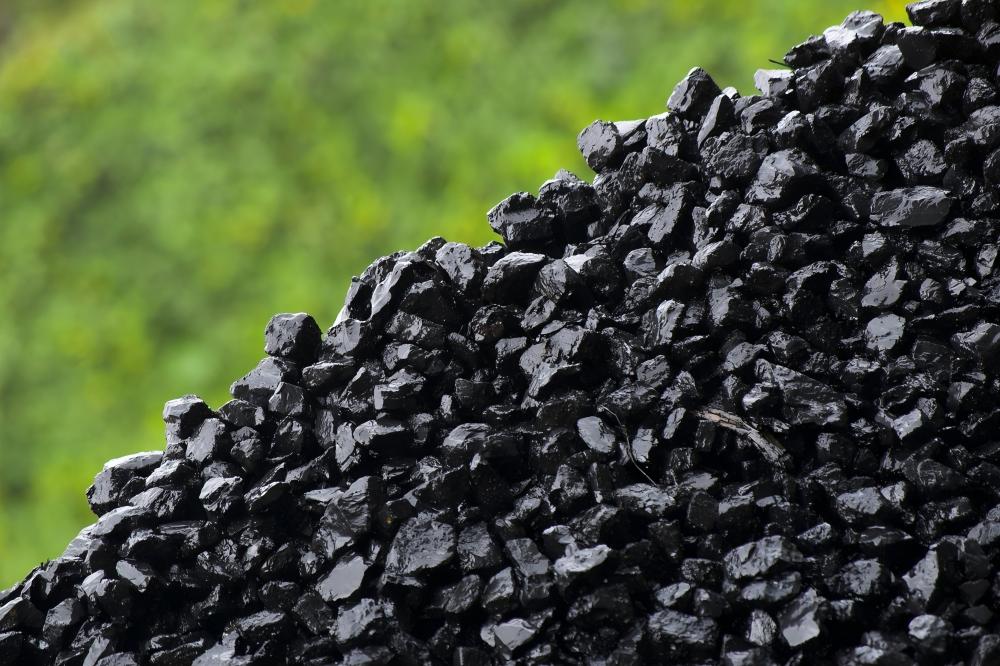
Activated carbon is a material containing numerous micropores. It is derived from materials such as wood, coal, or coconut shells. These materials are heated to create pores. These pores give activated carbon a huge surface area. This helps it adsorb a variety of substances from the air or water. It is used in water filters and air purifiers. Many factories also use it.
| Characteristic | Description |
|---|---|
| High Surface Area | One gram can have a surface area over 500 m², sometimes reaching 3,000 m². |
| Pore Structure | Micropores hold most of the adsorbed material, while macropores help fluids reach these sites. |
| Adsorption Capabilities | Activated carbon can trap iodine and many organic compounds, but it does not attract water well. |
| Activity Level | The total surface area per gram usually ranges from 600 to 1200 m². |
| Non-Polarity | The surface attracts non-polar substances, making it different from polar adsorbents. |
| Chemisorption | Special treatments can help it capture certain chemicals even better. |
Activated carbon is great at removing bad stuff and smells. Its big surface and special holes help clean things. Many industries use activated carbon to keep things safe and clean.
Carbon Molecular Sieve vs Activated Carbon Structure and Adsorption Mechanism
Pore Size and Distribution
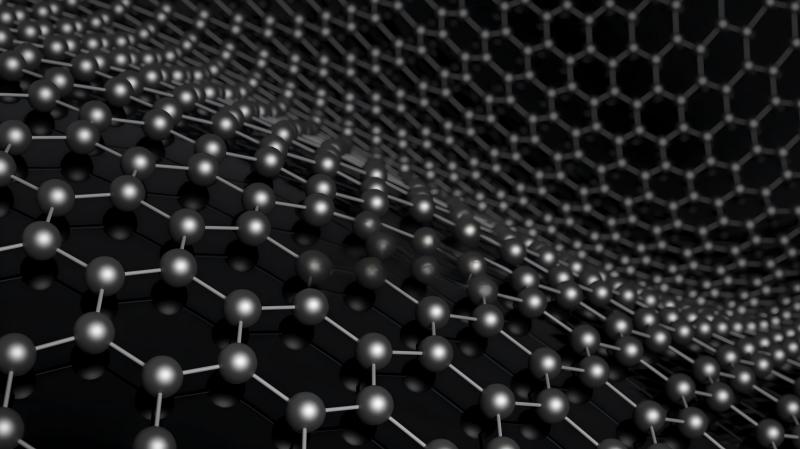
The structure of each material affects its performance. Activated carbon has pores of varying sizes, some very small and some quite large. This helps it adsorb a wide variety of substances from the air or water. Its large surface area allows it to adsorb a large amount of substances.
Carbon molecular sieves have pores of almost uniform size. These pores are extremely fine and controllable, allowing them to separate gases based on molecule size. For example, nitrogen can pass through, while oxygen is blocked. Scientists have discovered that carbon molecular sieve membranes possess both micropores and ultrapores.
The shape of these materials is also important. They can be granules, spheres, or powders. Smaller particles can work more quickly because substances can pass through rapidly. However, if the particles are too small, the flow of air or water may be obstructed. In water purification, choosing the appropriate particle size is crucial. Small particles clean quickly but may reduce water flow.
Tip: Pick activated carbon or carbon molecular sieve based on what you want to separate and how fast you need it.
Adsorption Process
These materials capture substances using adsorption. Activated carbon uses equilibrium adsorption, which allows it to adsorb many molecules onto its surface. This makes it ideal for removing odors, chemicals, and contaminants. It doesn’t selectively adsorb certain gases; instead, it adsorbs anything that can enter its pores.
Carbon molecular sieves work differently; they use kinetic separation. Their controllable pore size allows only certain molecules to pass through quickly, while others are blocked or move slowly. This makes them highly selective. For example, they can separate nitrogen and oxygen from the air. Factories use them to produce high-purity gases.
The table below illustrates how each material works:
| Feature | Activated Carbon | Carbon Molecular Sieve |
|---|---|---|
| Mechanism | Uses equilibrium adsorption | Uses kinetic separation |
| Pore Structure | Has many pore sizes | Has narrow, controlled pore sizes |
| Selectivity | Catches many substances | Picks specific gases |
| Purity of Product Gas | Not for high purity | Used for high-purity nitrogen |
Applications of Carbon Molecular Sieve and Activated Carbon

Industrial Uses of Carbon Molecular Sieve
Carbon molecular sieves have a wide range of applications in industry. They help separate gases such as nitrogen and oxygen from the air. Factories need them to produce pure nitrogen for use in electronics, chemical, and food packaging. In oil refineries, they are used to purify and separate gases and liquids. Air purification systems utilize carbon molecular sieves to recover valuable volatile organic compounds. Pharmaceutical plants use them to dry solvents and purify important components. Food companies use them to dry edible oils and purify alcoholic beverages.
YUANHAO is a trusted supplier of carbon molecular sieves. Their YH series carbon molecular sieves offer advantages such as high purity, long lifespan, and energy efficiency. YUANHAO holds ISO 9001, ISO 14001, and ISO 45001 certifications. Their products are widely used in metal recycling, energy storage, wastewater treatment, and medical fields. Customers highly praise their stable product quality and excellent technical support.
Note: When selecting carbon molecular sieves, companies typically consider adsorption capacity, selectivity, and permeability. These factors help them choose the most suitable product for their specific applications.
Common Uses of Activated Carbon
Activated carbon plays a vital role in water and air purification. Water treatment plants use activated carbon to remove harmful chemicals and odors from drinking water. Air purification systems use activated carbon to adsorb pollutants and improve air quality. Emergency response teams use activated carbon to quickly remove dangerous toxins and toxic substances. Many factories choose activated carbon because of its large specific surface area and unique pore structure.
| Specification | Description |
|---|---|
| High Surface Area | One gram can have over 500 m² of surface area, sometimes up to 3,000 m². |
| Pore Structure | Micropores and macropores help adsorb both small and large molecules. |
| Raw Material | Made from wood, coal, or coconut shells, giving it a strong structure. |
| Apparent Density | Affects how well it works and how easy it is to handle. |
| Particle Size | Changes how fast it can adsorb different molecules. |
Microporosity helps activated carbon catch small organic vapors. Macroporosity helps with bigger molecules and lets fluids move easily.
Carbon Molecular Sieve vs Activated Carbon Regeneration & Cost Comparison
Regeneration Capabilities
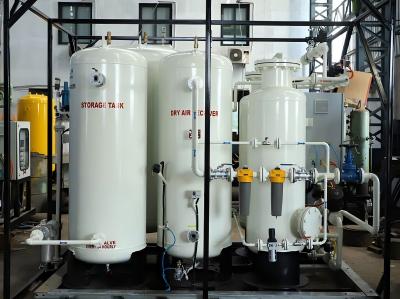
Many plants require reusable materials. Carbon molecular sieves offer excellent reusability, capable of undergoing thousands of Pressure Swing Adsorption (PSA) cycles. This means workers don’t need to frequently change them. PSA works by switching between two adsorption beds. One bed is dried, while the other is cleaned by vacuum. This process quickly removes adsorbed gases while maintaining the material’s strength.
Activated carbon can also be reused, but not as efficiently as carbon molecular sieves. Once saturated, activated carbon can only recover about 60-80% of its adsorption capacity. There are many methods for cleaning activated carbon. Some use steam or carbon dioxide, while others use special chemicals or supercritical fluids. However, some methods, such as heating, can damage the material or cause contamination. Biological regeneration is time-consuming and unsuitable for busy plants.
Tip: If you need fast and many uses, carbon molecular sieve is better for regeneration.
Cost and Lifetime
Both cost and lifespan are important factors. In May 2023, the price of activated carbon in the United States was $6,401 per ton. This price increased by 6.7% within a month. Prices can fluctuate rapidly due to supply issues and raw material shortages (especially imported raw materials).
The table below shows the lifespan of various materials:
| Material | Operational Lifetime | Maintenance Requirements |
|---|---|---|
| Carbon Molecular Sieve | 3-5 years | Regular checks for problems |
| Activated Carbon | 8-10 years | Replace every 2-3 years |
Carbon molecular sieves can be used for several years but require regular inspection. Activated carbon has a longer lifespan, but must be replaced more frequently to maintain its good performance. Businesses should consider both the initial cost and the frequency of material inspection or replacement.
Carbon Molecular Sieve vs Activated Carbon Key Differences: Summary Table
Quick Comparison Points
| Aspect | Carbon Molecular Sieve (CMS) | Activated Carbon (AC) |
|---|---|---|
| Structure | Micropores with the same size for picking gases | Many pore sizes, bigger and not as picky |
| Adsorption Mechanism | Chooses gases by their size and speed | Grabs many things using its big surface |
| Main Application | Used to split gases like nitrogen and hydrogen | Cleans air and water, removes bad smells |
| Regeneration | Works fast and can be used many times | Slower to clean, can’t be reused as much |
| Cost | Costs more at first, but lasts longer | Cheaper at first, but needs to be changed more |
| Lifetime | Lasts 3–5 years if taken care of | Can last 8–10 years, but needs new parts often |
| Purity Achievable | Makes very pure gases | Not used for making pure gases |
| Certifications | Usually has ISO certificates like YUANHAO CMS | Depends on who makes it |
Key Points to Remember:
- Carbon molecular sieve has tiny, exact holes for sorting gases.
- Activated carbon has many hole sizes and can trap lots of things.
- Factories use CMS to get pure nitrogen and hydrogen.
- Water plants and air cleaners use activated carbon to clean.
- CMS can be cleaned fast and used many times.
- Activated carbon is cheaper at first but needs to be replaced more.
Tip: Use carbon molecular sieve when you need to separate gases and want them very pure. Use activated carbon when you just need to clean air or water.
Carbon molecular sieve and activated carbon do different jobs. Carbon molecular sieve is good for sorting gases and saving energy. Activated carbon is best for cleaning air and water. The table below shows how they are different for the environment and safety. YUANHAO gives strong carbon molecular sieve choices for companies that need pure and steady results.
| Aspect | CMS | AC |
|---|---|---|
| Energy Efficiency | High | Moderate |
| Regeneration | Limited | Excellent |
| Safety | Needs careful handling | Needs careful handling |