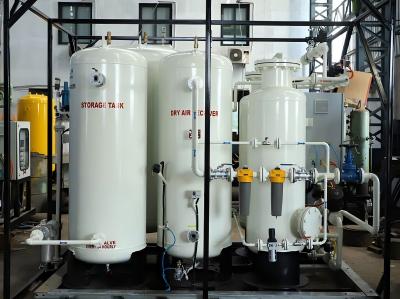
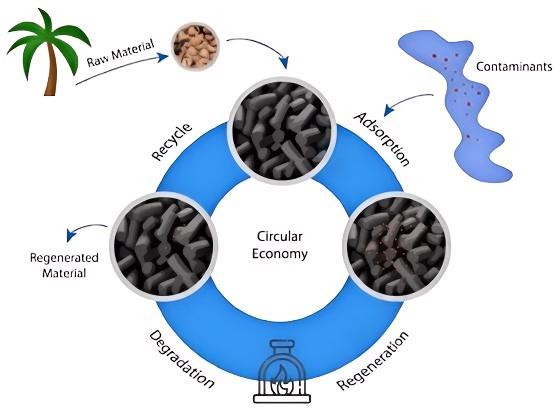
Carbon molecular sieves are materials with numerous tiny pores, primarily composed of carbon, an indispensable element in the carbon structure. These pores are extremely small, typically less than 2 nanometers. These pores allow for separation based on the size and velocity of gas molecules. Carbon molecular sieve manufacturers can modify the size and shape of the pores to achieve selective capture of specific gases. Many industries utilize carbon molecular sieves for nitrogen production. Their unique design allows smaller molecules to move rapidly and be effectively captured.
Key Takeaways
- Carbon molecular sieves have very small pores, less than 2 nanometers wide. They can separate gases based on the size and velocity of the molecules. The arrangement of the micropores is crucial. The carbon framework also plays a significant role in achieving good gas separation. Manufacturers can modify the size and shape of the pores to better capture specific gases, making the separation process more efficient. Carbon molecular sieves are robust and durable, with a lifespan of 5 to 8 years, meaning you don’t need to replace them frequently. It saves both money and time. Using carbon molecular sieves is environmentally beneficial. They help reduce waste generated during gas separation and lower energy consumption.
Structure of Carbon in Molecular Sieves
Pore Size and Distribution
The carbon molecules in carbon molecular sieves have numerous tiny pores called micropores. These pores are extremely small, less than 2 nanometers wide. Scientists use specialized instruments to detect the size and distribution of these pores. The distribution of pores affects the efficiency of gas separation by the molecular sieve.
- Micropores only allow smaller gas molecules to pass through.
- The distribution of pores determines which gases are trapped and which gases can move freely.
- Studies have shown that the arrangement of micropores affects the gas capacity of the molecular sieve.
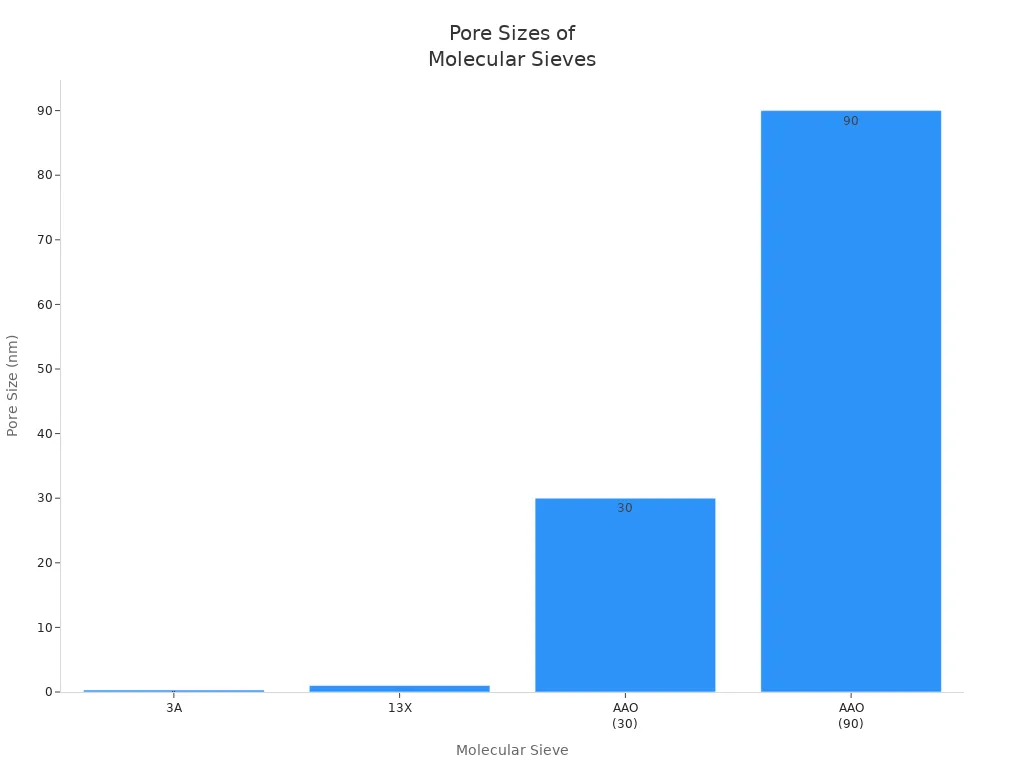
The table below lists the pore sizes of different molecular sieves:
| Molecular Sieve | Pore Size (nm) |
|---|---|
| 3A | 0.3 |
| 13X | 1 |
| AAO (30) | 30 |
| AAO (90) | 90 |
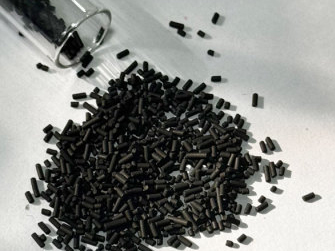
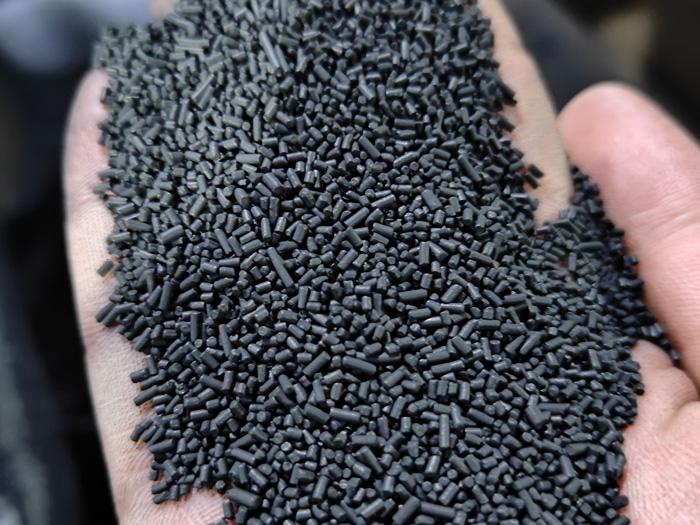
YUANHAO carbon molecular sieves have a particle width of 1.0–2.0 mm, a bulk density of 670 to 690 g/L, and a water content of less than 1%. These properties contribute to the excellent performance of molecular sieves in gas separation.
Carbon Framework Arrangement
The carbon atoms in a molecular sieve form a robust and stable network. This network anchors the micropores. The way the carbon atoms are connected creates a labyrinthine structure. This labyrinthine structure helps control the movement of gases within the molecular sieve.
The table below shows how different parts of the carbon framework affect gas selectivity and adsorption rate:
| Pore Structure Characteristics | Effect on Gas Selectivity |
|---|---|
| Nanoscale Ultra-Micropores | Higher selectivity compared to activated carbon. |
| Fine Carbon Crystals | Enhances adsorption of desired components from gas mixtures. |
Another table shows how pore features affect gas separation:
| Pore Characteristics | Influence on Gas Selectivity and Adsorption Rates |
|---|---|
| Pore Diameter | Usually less than 2 nanometers, so only small gas molecules can pass and bigger ones are blocked. |
| Pore Size Control | Makers can change the size and shape to pick which gases are trapped or let through. |
| Spatial Distribution | Changes how much gas the sieve can hold, making it better at picking certain gases. |
YUANHAO’s carbon molecular sieve uses a special carbon framework. This design helps gases separate quickly and well. The carbon structure makes sure the sieve can split nitrogen from other gases fast and with high purity.
Note: Both the way micropores are arranged and the carbon framework are important for how well a carbon molecular sieve works to separate gases.
Key Structural Characteristics of Carbon Molecular Sieve
Microporous Network
Molecular sieves contain carbon molecules with numerous tiny pores. These pores, called micropores, are smaller than 2 nanometers in size. Scientists create this network structure to sort gas molecules based on their size and velocity. The table below lists the special features of this material:
| Characteristic | Description |
|---|---|
| Pore Structure | Nanoscale ultra-micropores under 2 nanometers |
| Selectivity | Higher selectivity than activated carbon for picking certain gas molecules |
| Composition | Made from fine carbon crystals and amorphous carbon |
This network structure allows molecular sieves to trap certain gases while ignoring others. The carbon molecular structure gives molecular sieves strength and enables them to efficiently separate gases.
Pore Size Control
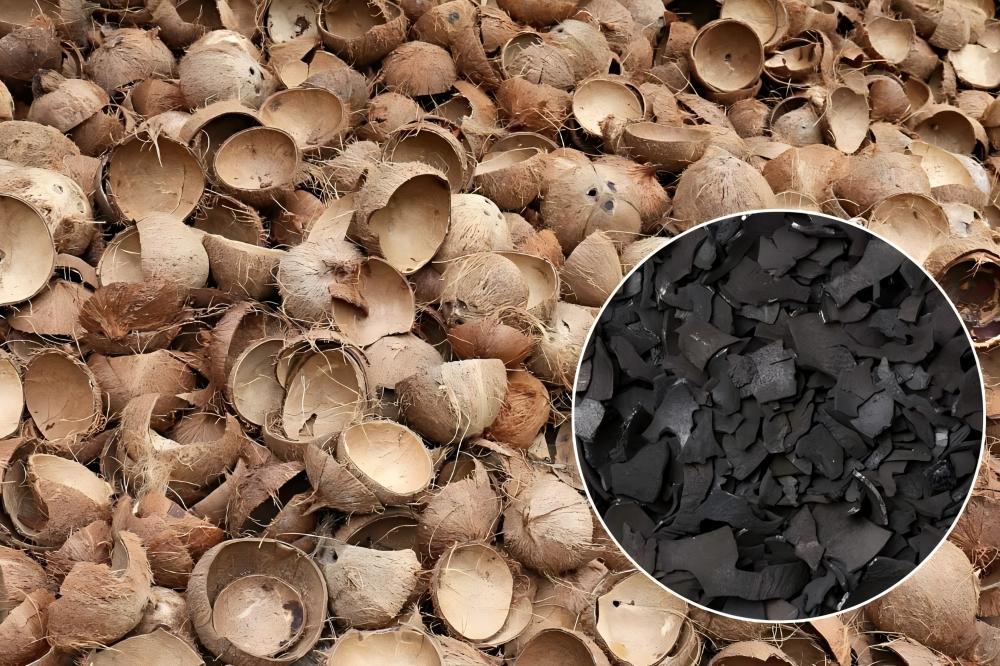
Manufacturers use special methods to modify the pore size of carbon molecular sieves. They often use materials such as coconut shells and employ environmentally friendly methods. These methods allow for very precise pore sizes, even smaller than 1 angstrom. This means that molecular sieves can selectively separate certain gases. For example, some molecular sieves can separate ethylene from ethane because their pore size is just right.
- Safe materials contribute to the formation of suitable pore sizes.
- Precise control improves gas separation efficiency.
- Each molecular sieve can be customized for a specific application.
Slit-like Pore Model
Many scientists believe that the pores of these molecular sieves are slit-like in shape. These tiny slits allow small gas molecules, such as hydrogen, to pass through easily, while larger molecules are blocked. The shape of these pores is formed during the manufacturing process of the molecular sieve. This careful design allows the molecular sieve to efficiently separate gases. Slit-like pores are an important component of the carbon structure of these molecular sieves.
Note: Microporous networks, controllable pore sizes, and slit-like pores make carbon molecular sieves ideal for gas separation.
Formation and Composition of Carbon Molecular Sieve
Materials and Manufacturing Process
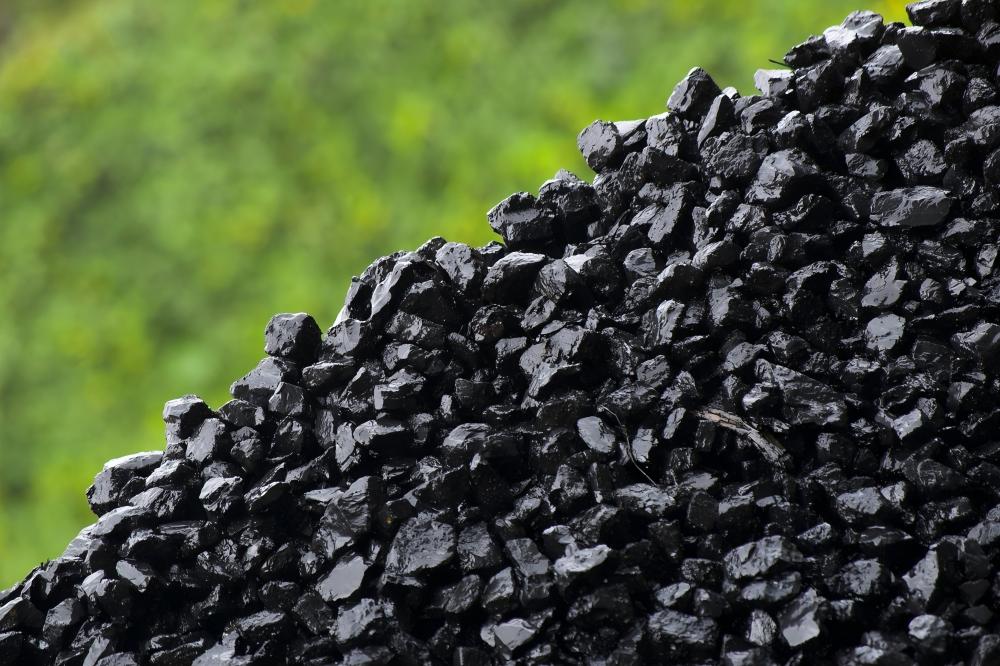
Manufacturers use different raw materials to manufacture carbon molecular sieves. Each raw material affects the performance and final appearance of the molecular sieve. The table below lists the effects of each raw material on the molecular sieve:
| Raw Material | Influence on Final Structure |
|---|---|
| Apricot seed shells | Changes the pore structure and how gases stick to it |
| Coal | Changes how the sieve handles heat and its structure |
| Coconut shells | Makes more pores and gives a bigger surface area |
| Synthetic polymers | Makes the sieve stronger and more stable |
First, workers select and prepare the raw materials. They grind, sieve, and wash the materials to ensure consistent composition. After molding, they undergo special heating and surface treatment processes. These processes help maintain pore stability and improve the performance of the molecular sieve.
Types and Membranes
There are various types of carbon molecular sieves. For example, YUANHAO Company produces CMS-220 and CMS-330. CMS-220 can stably produce nitrogen, while CMS-330 can rapidly produce high-purity nitrogen. These types of carbon molecular sieves are widely used in electronics, medical, and other fields.
Some companies also produce carbon molecular sieve membranes. These membranes play an important role in gas separation, capable of separating gases such as nitrogen and oxygen from the air. The membranes can be tubular or flat, thus suitable for different applications.
Pyrolysis
Pyrolysis is a heating step used to alter the structure of carbon molecular sieves. The heating temperature and its rate of increase affect the pore size and strength of the molecular sieve. Higher temperatures result in smaller pores and stronger gas adsorption capacity; slower heating rates result in smaller pores and a structure closer to a crystal. The gas used during heating also affects the molecular sieve structure. For example, using a non-reactive gas can create more open pores.
| Aspect | Effect |
|---|---|
| Pyrolysis Temperature | Higher heat makes the sieve tighter and better at picking gases |
| Heat Ramping Rate | Slower heating makes smaller pores and fewer mistakes |
| Gas Environment | Non-reactive gas makes more open pores |
| Mechanical Strength | Hollow fiber membranes are stronger and have fewer mistakes |
Adjustable Porosity
Manufacturers can vary the number of sieve pores by selecting different materials, changing heating temperatures, and employing special process steps. This allows them to manufacture sieves suitable for specific applications. YUANHAO uses ingenious methods to manufacture durable and high-performance sieves.
Note: Selecting appropriate materials, careful manufacturing, and porosity control contribute to the outstanding performance of carbon molecular sieves in gas separation applications across numerous industries.
Carbon Molecular Sieve Functionality and Selectivity
Gas Separation Mechanism
Carbon molecular sieves possess a special structure that facilitates gas separation. Their micropores are extremely small, less than 2 nanometers wide. These small pores allow nitrogen molecules to pass through but block larger molecules such as oxygen. This is because the size of these pores is perfectly suited for nitrogen molecules to pass through. Manufacturers can change the size and shape of the pores to select the gases to be separated.
- These micropores only allow a portion of the gas to pass through.
- Smaller molecules pass through these micropores faster.
- Gas molecules adsorb onto the surface of the molecular sieve, which aids in gas sorting.
The table below shows how well carbon molecular sieves can separate gases:
| Property | Value |
|---|---|
| Oxygen Equilibrium Adsorption | 7.2 mg/g |
| Adsorption for 1 min | 6.3 mg/g |
| Selectivity | 32 |
| Micropore Volume | High |
| Source Material | Apricot seed husks |
YUANHAO carbon molecular sieves are fast and efficient. Gas adsorption takes only 80 to 90 seconds. This rapid adsorption capability helps companies quickly and easily produce nitrogen.
Structural Stability and Durability
Industries demand durable and high-performance carbon molecular sieves. High-quality molecular sieves are robust and durable, and will not break even under pressure changes or friction with other objects. This means they can be reused repeatedly without damage.
- Regularly replacing the filter cartridge keeps the molecular sieve clean and safe.
- Proper maintenance of the molecular sieve helps extend its lifespan.
- Clean gases and high-quality equipment also contribute to extending the lifespan of carbon molecular sieves.
The table below shows the lifespan of carbon molecular sieves:
| Service Life Range | Description |
|---|---|
| 3 to 8 years | Typical lifespan under normal conditions |
| Over 10 years | Achievable under optimal conditions |
| Less than 3 years | May result from poor gas pretreatment |
YUANHAO’s CMS can last 5 to 8 years. This means companies do not need to replace them often. A long life saves money and stops work from being delayed.
Carbon molecular sieves are good for the environment. They help cut down on waste and use less energy when separating gases. This makes factories cleaner and better for the planet.
Carbon molecular sieves have a special carbon structure with tiny holes. These holes let small gas molecules go through but stop bigger ones. This setup helps split gases fast and well. Some important things about them are:
- The special pore size decides which gases can pass
- The strong carbon network keeps the sieve steady
- Kinetic selectivity sorts gases by how quickly they move
YUANHAO’s advanced CMS products make very pure nitrogen. They last a long time and help many industries stay clean.
FAQ
What are the main uses of carbon molecular sieves?
Carbon molecular sieves are used for gas separation, primarily for nitrogen production. Many companies use carbon molecular sieves because of their high processing speed and ability to produce very pure gases. They also help produce gases in a clean and safe manner.
What is the difference between carbon molecular sieves and activated carbon?
Carbon molecular sieves have smaller and more precise pore sizes than activated carbon. This allows them to sort gas molecules based on size and velocity. Activated carbon is mainly used for odor removal and cleaning other substances.
Can carbon molecular sieves be used to separate hydrocarbons?
Yes, carbon molecular sieves can sort hydrocarbons. Their tiny pores allow them to sort based on molecular size. This makes them very useful for hydrocarbon separation in the chemical and energy industries.
How long is the lifespan of YUANHAO carbon molecular sieves?
YUANHAO carbon molecular sieves have a lifespan of 5 to 8 years. With proper maintenance and the use of clean gases, their lifespan can be extended. This saves costs and ensures efficient machine operation.
What are the environmental advantages of YUANHAO carbon molecular sieves?
YUANHAO carbon molecular sieves are made from safe materials and can produce nitrogen in a clean manner. They consume less energy and generate less waste, making them environmentally friendly.