Choosing the right carbon molecular sieve can improve gas separation efficiency. Different types of molecular sieves affect nitrogen yield and gas purity. The performance of the molecular sieve affects the long-term operation of the system. High compressive strength helps extend the material’s lifespan. Good selectivity improves nitrogen purity. The table below shows how different properties affect performance:
| Performance Indicator | Description |
|---|---|
| Nitrogen Production Capacity | The amount of nitrogen produced per unit weight or volume of carbon molecular sieve within a set time. |
| Nitrogen Purity | The stable nitrogen concentration achievable at rated gas yield (e.g., 99.5% or 99.9%). |
| Recovery Rate | The ratio of nitrogen in the product to the total nitrogen in the feed air; high recovery rates save energy. |
| Crush Strength | Ability of CMS particles to resist being crushed; not enough strength can cause system problems. |
| Abrasion Resistance | Abrasion resistance; poor abrasion resistance generates dust, clogging pipes and valves. |
| Selectivity | The adsorption and separation coefficients of oxygen and nitrogen; high selectivity is crucial for purity. |
Key Takeaways
- Select the appropriate carbon molecular sieve based on your nitrogen purity and flow rate requirements. This helps you achieve optimal gas separation results and ensures efficient system operation.
- Pay attention to key indicators such as nitrogen yield, purity, and recovery rate. These factors affect the performance of the gas separation system.
- Properly maintain and store the molecular sieve to extend its service life. Keep the molecular sieve clean and dry, avoid damage, and ensure consistent performance with each use.
- Consult experts, such as those at YUANHAO Company, who can help you select the molecular sieve best suited to your needs. Their advice can help you make an informed choice.
- While high-quality carbon molecular sieves may have a higher initial cost, their superior performance and longer service life can save you money in the long run.
Identifying Application Needs for Carbon Molecular Sieve Selection
Nitrogen Generation and Gas Separation
Many factories utilize gas separation technology to improve product quality and increase production efficiency. Carbon molecular sieves play a crucial role in these systems. They can separate gas molecules based on their size and adsorption characteristics. Some common applications include:
- Hydrogen purification
- Methane recovery
- Air-to-nitrogen production
- Biogas purification
- Biogas carbon dioxide removal
- Impurity separation in hydrogen production processes
Each application has different requirements for gas purity and flow rate. For example, air-to-nitrogen production requires high-purity nitrogen, and the system must always maintain good operating conditions. Suitable carbon molecular sieves can help the system achieve these goals while also saving energy.
Purity and Flow Requirements
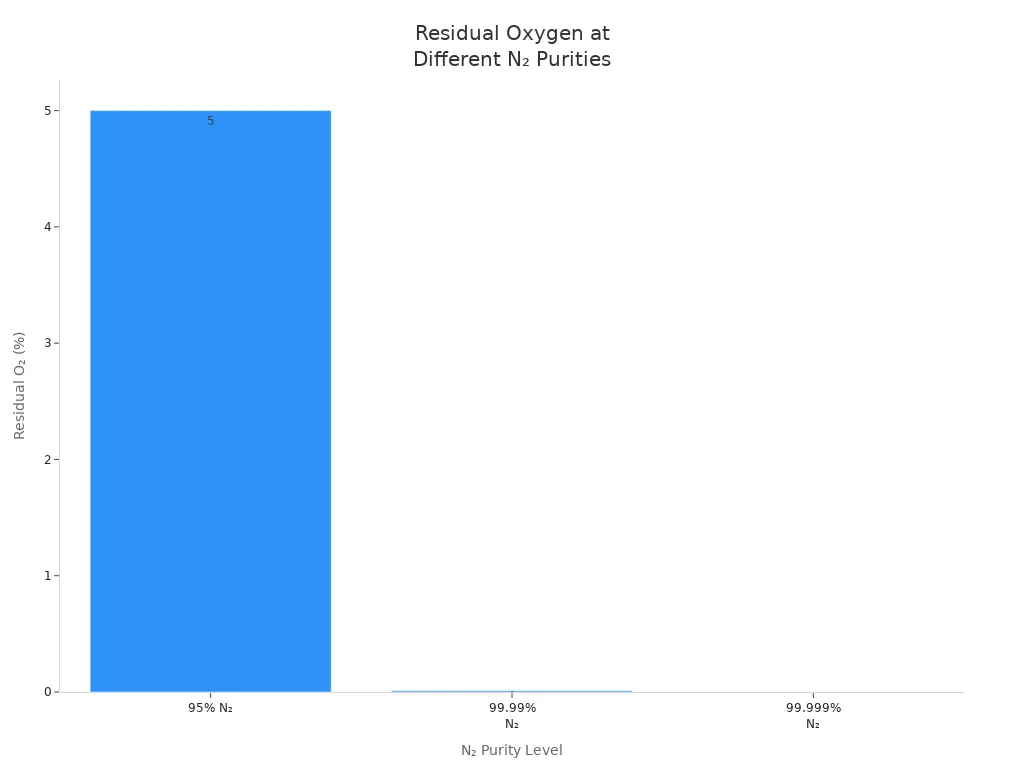
Choosing the right carbon molecular sieve means matching it to the required nitrogen purity and flow rate. Nitrogen purity ranges from 95% to 99.999%. The table below shows the amount of residual oxygen at each purity level:
| Purity Level | Residual Oxygen |
|---|---|
| 95% N₂ | 5% O₂ |
| 99.99% N₂ | 100 ppm O₂ |
| 99.999% N₂ | 10 ppm O₂ |
| Typical Range | 95% → 99.999% |
Flow rate is also crucial when selecting carbon molecular sieves. Inappropriate flow rates can lead to poor gas separation and increased energy costs. Several factors must be considered when selecting molecular sieves for nitrogen quantity and purity. The table below lists some key points:
| Factor | Description |
|---|---|
| Degradation of carbon molecular sieve performance | If dirty gases touch the sieve too long, small holes can get blocked or broken. This makes it work less well and lowers nitrogen purity. |
| Matching adsorption pressure and gas production rate | You need the right balance. Too much pressure can hurt the sieve. Too little can let oxygen get through. |
| Precision of valve switching timing | Valves must open and close at the right time. This stops mixing and helps the sieve clean itself for pure nitrogen. |
Tip: Always select the appropriate carbon molecular sieve grade based on the required nitrogen purity and flow rate. This will ensure optimal results.
Carbon Molecular Sieve Product Categories
YUANHAO is a well-known gas separation company that produces a variety of molecular sieve products suitable for different applications. Each molecular sieve is designed for specific nitrogen purity and flow rate. YUANHAO employs new technologies and rigorous quality control to ensure that every molecular sieve is high-performing and durable.
The table below lists the differences between the main product types:
| Performance Aspect | Description |
|---|---|
| Pore Size | The pore size is important for gas separation. The best size is between 0.28 and 0.38 nm. |
| Adsorption Capacity | Each molecular sieve can hold more oxygen than nitrogen. This helps make nitrogen extraction work well. |
| Application | These molecular sieves are used in PSA nitrogen generators. They help separate nitrogen from oxygen in many places. |
CMS 220
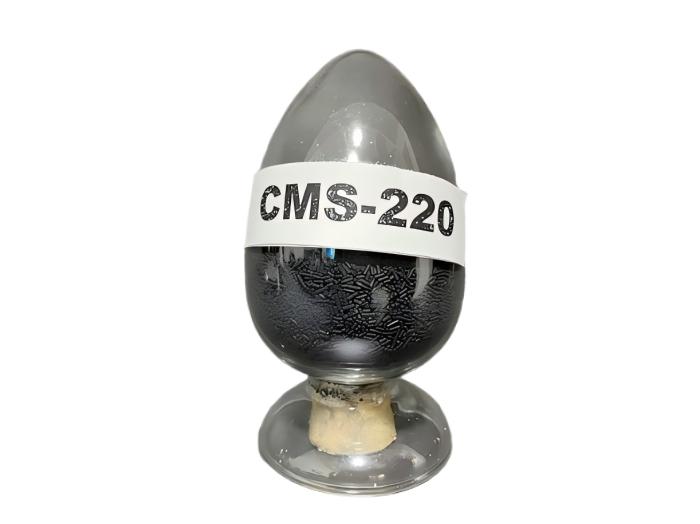
CMS 220 is a molecular sieve capable of producing high-purity nitrogen. It is best suited for users requiring 99.99% pure nitrogen. Nitrogen production ranges from 80 to 260 liters per kilogram per hour. This type of molecular sieve is suitable for small to medium-sized nitrogen generators.
CMS 240
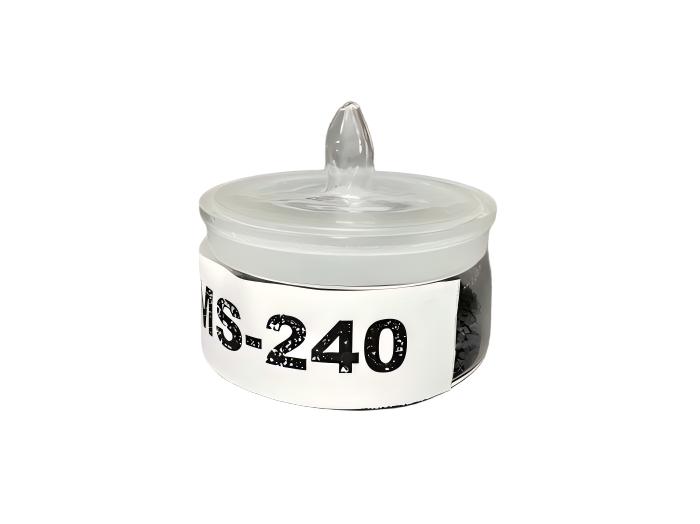
CMS 240 combines high purity and high flow rate, helping many plants achieve stable nitrogen production. Many companies choose this molecular sieve because of its superior performance.
CMS 260
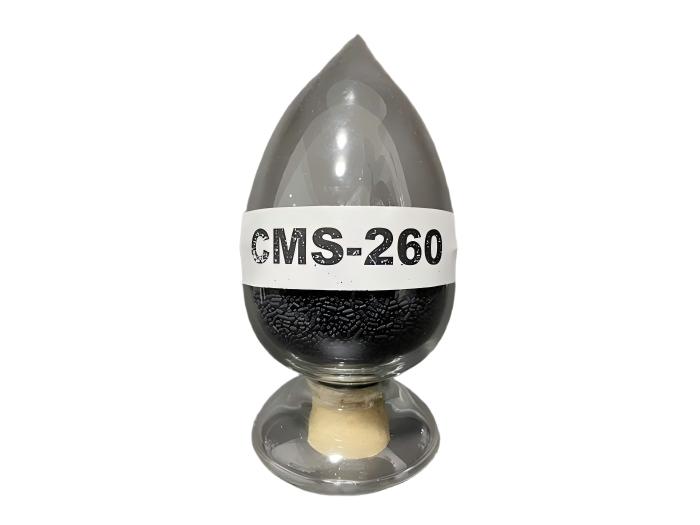
CMS 260 offers even higher nitrogen flow rates. It is suitable for systems requiring more nitrogen but still needing to maintain high purity. This type of molecular sieve is widely used in chemical and food processing plants.
CMS 280
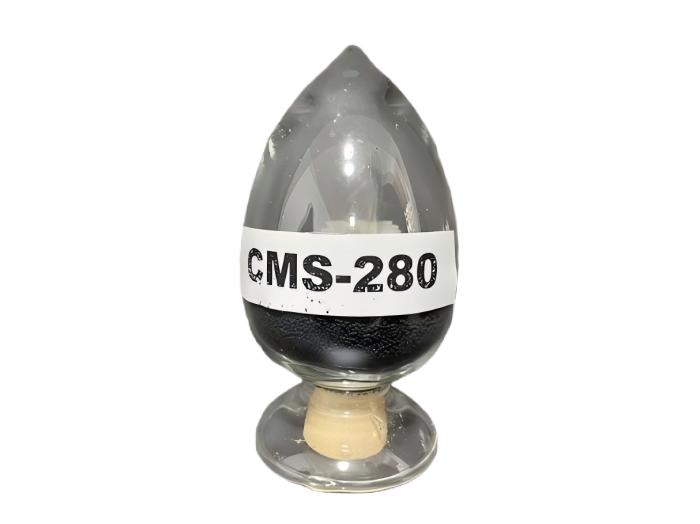
CMS 280 is suitable for users requiring both high purity and high flow rates. It is suitable for advanced gas separation systems. Many companies use this type of molecular sieve for large-scale nitrogen production.
CMS 300
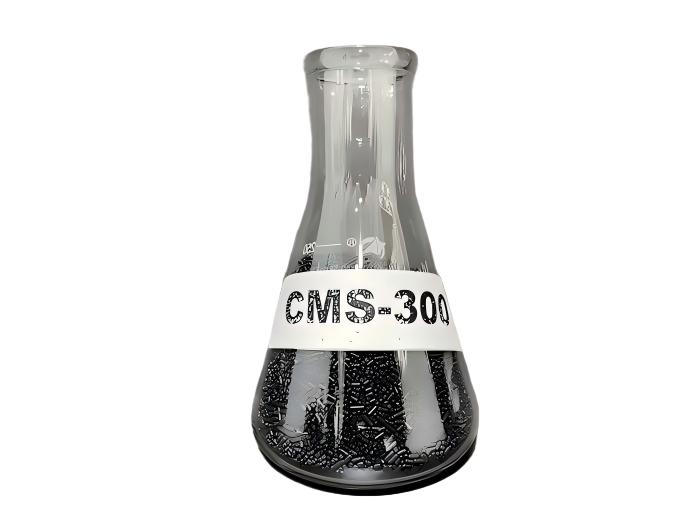
CMS 300 offers even higher nitrogen flow rates. It is designed for high-load applications. This molecular sieve helps plants save energy and maintain high purity.
CMS 330
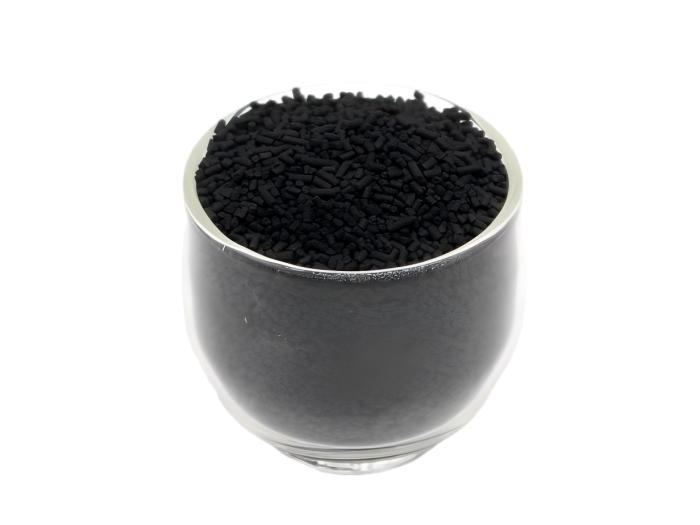
CMS 330 excels in both purity and yield, producing nitrogen with a purity of up to 99.999%. Its yield ranges from 110 to 330 liters per kilogram per hour. This model is ideal for applications requiring extremely high nitrogen purity, such as those in the electronics and medical industries.
YUANHAO has ISO 9001, ISO 14001, and ISO 45001 certificates. These show they care about quality, the environment, and safety. Every molecular sieve meets high standards for how well it works and how long it lasts.
Molecular Sieve Selection Factors
Pore Size and Adsorption Capacity
Pore size is crucial to the working principle of carbon molecular sieves. A suitable pore size helps the molecular sieve separate gases based on their molecular size. For nitrogen production, the optimal pore size is between 0.28 and 0.38 nanometers. This pore size allows the molecular sieve to capture oxygen while allowing nitrogen to pass through. Adsorption capacity indicates how much gas the molecular sieve can adsorb. The higher the adsorption capacity, the more nitrogen the molecular sieve can produce per cycle.
The table below lists some important adsorption parameters for common carbon molecular sieves:
| Property | Value |
|---|---|
| Oxygen Equilibrium Adsorption | 7.2 mg/g |
| Adsorption for 1 min | 6.3 mg/g |
| Selectivity | 32 |
| Application | Nitrogen separation from air |
A higher selectivity value means that the molecular sieve can separate nitrogen from oxygen more effectively. Adsorption rate is also important. The faster the adsorption rate, the faster and more efficient the system can operate. When selecting a molecular sieve, the appropriate pore size should be chosen based on the pore size of the gases to be separated to achieve the best separation effect.
PSA Efficiency and Stability
Pressure Swing Adsorption (PSA) is a commonly used method for nitrogen production. Its effectiveness depends on the strength and stability of the carbon molecular sieve. High-quality molecular sieves can be reused multiple times without damage. Factors such as high temperature, steam, and dust can reduce the stability of molecular sieves.
The table below lists some common problems and their effects:
| Degradation Mechanism | Description | Impact on Stability |
|---|---|---|
| Hydrothermal Aging | Chemical changes from high-temperature steam. | Reduces surface area and capacity. |
| Coking | Carbon layers block small pores. | Lowers internal capacity. |
| Mechanical Failure | Dust or powder forms from thermal shock or fast gas flow. | Causes pressure drop and damage. |
| Operational Environment | Purity and contaminants change lifespan. | Can last 3-5 years or drop to 12-18 months. |
Other problems include low compressive strength and high abrasion rate. If the sieve strength is insufficient, it may break and clog the pipes. Excessive wear rate will shorten the lifespan of the screen. Poor-quality air can clog the screen’s pores, degrading its performance.
| Challenge | Description |
|---|---|
| Compressive Strength | Low strength leads to breaking and pipeline clogging. |
| Attrition Rate | High rates reduce service life due to friction. |
| Compressed Air Quality | Poor air can poison and block micropores, causing rapid failure. |
Some carbon molecular sieves are better able to withstand high temperatures. These screens can continue to operate even when the system temperature rises. Before selecting a screen, the system temperature, pressure, and the risk of air contamination should always be checked. This helps in selecting the appropriate screen.
Chemical Compatibility and Regenerability
Chemical compatibility refers to the fact that molecular sieves are not damaged by contact with gases. Certain gases or contaminants can damage molecular sieves and reduce their performance. Proper storage of molecular sieves protects them from water and other substances. Factors such as temperature, humidity, and pressure also affect the performance of molecular sieves over time.
- Proper storage of molecular sieves keeps them clean and dry.
- Excessive moisture in the air or improper temperature can reduce the performance of molecular sieves.
- The best way to maintain the performance of molecular sieves is to store them in a dry place.
Regenerability is also important. High-quality carbon molecular sieves can be reused after cleaning. Most plants use methods such as heating or depressurization to clean molecular sieves. These methods help remove gases remaining inside the molecular sieves. The table below lists some common molecular sieve cleaning methods:
| Regeneration Method | Description |
|---|---|
| Thermal Swing Adsorption (TSA) | Heats and purges the sieve to reverse adsorption. |
| Depressurization & Purging | Lowers pressure and uses hot gas to clean the sieve. |
| Heating Phase | Heats the sieve to 200°C – 350°C, depending on type. |
| Soak/Hold Phase | Keeps the sieve at target temperature for 2-8 hours. |
| Cooling Phase | Uses dry gas to cool the sieve slowly. |
| Alternative Methods | Includes pressure swing adsorption and purge gas stripping. |
Picking a high-quality carbon molecular sieve gives better results and saves money. The table below compares high-quality and normal sieves:
| Aspect | High-Quality CMS | Standard CMS |
|---|---|---|
| Initial Purchase Cost | Higher | Lower |
| Yield | Higher | Lower |
| Lifespan | Longer | Shorter |
| Electricity Costs | Lower (due to efficiency) | Higher (due to inefficiency) |
| Replacement Frequency | Less frequent | More frequent |
| Overall Cost Over Time | More cost-effective | Less cost-effective |
A high-quality sieve lasts longer and works better. It also saves money because you do not need to replace it as often and it uses less electricity. People should always pick the best sieve for their needs to get the best results.
How to Choose the Right Carbon Molecular Sieve
Trial Runs and Expert Consultation
Choosing the best carbon molecular sieve involves several steps. Companies need to follow a plan to find the right material. Here’s a simple guide:
- First, clarify the intended use of the molecular sieve. This will help you select the appropriate sieve for your gas separation operations.
- Test the molecular sieve’s gas capacity and separation rate.
- Ensure the molecular sieve can separate the target gas.
- Check if the molecular sieve maintains its strength under high temperature, high pressure, and chemical corrosion conditions.
- Observe the particle size. Uniform particle size helps improve separation efficiency and extend service life.
- Compare prices, but make sure the molecular sieve meets your needs.
- Consider the operating environment of the molecular sieve, such as the type of gas and air humidity.
- Ensure the molecular sieve will not pose a safety hazard to hazardous materials.
Conducting small-scale testing helps companies understand the performance of the molecular sieve. Consulting with experts like YUANHAO is also helpful. Their team can tell you which grade of molecular sieve is most suitable and answer your questions. This guide will help you more easily choose the right molecular sieve for your system.
Maintenance and Service Life Tips
Proper maintenance of carbon molecular sieves helps extend their service life. The following table lists important methods for maintaining its proper functioning:
| Maintenance Practice | Description |
|---|---|
| Optimal Pressure Levels | Keep the system at the right pressure so it does not wear out fast. |
| Flow Optimization | Change the flow so the sieve does not get too much stress when used or cleaned. |
| Temperature Control | Use coolers to keep the right temperature and protect the sieve. |
| Regeneration Techniques | Clean the sieve well so it can keep holding gases. |
| Monitoring Key Parameters | Use sensors to check pressure, temperature, and flow. Change things fast if needed. |
| Regular Maintenance | Clean and change pre-filters often to stop dust and dirt from getting in. |
With proper maintenance, a high-quality molecular sieve can last five to eight years or even longer. For best results, store the molecular sieve in an airtight container. Avoid contact with water and air. Using a vacuum bag can prevent moisture and dust contamination.
YUANHAO provides comprehensive after-sales service. Their experts will assist you with the installation, maintenance, and repair of molecular sieves. This service ensures your molecular sieves perform at their best and extends their lifespan.
Selecting carbon molecular sieves involves several important steps. Users need to choose the appropriate product grade based on their purity and flow rate requirements. Additionally, factors such as gas production, intensity, and lifespan must be considered. The table below illustrates the importance of these factors:
| Factor | Why It Matters |
|---|---|
| Yield | Changes how much energy you use and get back |
| Service Life | Decides how often you need a new one |
| Supplier Support | Gives you expert help and answers |
Good, certified products and advice from experts help people get the best results for their systems.
FAQ
What are the uses of carbon molecular sieves?
Carbon molecular sieves are used to separate gases. Many factories use them to obtain pure nitrogen. They are suitable for PSA nitrogen generators.
How long is the lifespan of carbon molecular sieves?
High-quality carbon molecular sieves can last five to eight years. Proper maintenance and regular inspections help extend their lifespan.
How should carbon molecular sieves be stored?
Molecular sieves should be stored in dry, airtight containers. Water and dust should be avoided. Vacuum bags are a good storage method.
Can carbon molecular sieves be reused?
Yes. Many molecular sieves can be cleaned and reused. Heating or reducing pressure helps remove residual gases.
Why choose Yuanhao carbon molecular sieves?
YUANHAO produces certified and high-performance products. Their team provides professional help and advice. Many companies trust YUANHAO and choose their products for safe gas separation.