
carbon molecular sieve 330
Carbon molecular sieve is a kind of adsorption material with carbon as the main component and highly developed microporous structure, which is widely used in PSA nitrogen production and gas separation.
Carbon Molecular Sieve 330 (CMS-330) is a high-performance adsorbent designed for Pressure Swing Adsorption (PSA) nitrogen generation. With a pore size of around 3 angstroms, CMS-330 can effectively separate oxygen molecules (kinetic diameter ~2.9 Å) from nitrogen molecules (kinetic diameter ~3.64 Å), allowing for the efficient production of nitrogen with high purity levels.
As a trusted manufacturer, YUANHAO has been dedicated to the development and production of carbon molecular sieves since 2010. With over 15 years of experience, advanced production facilities, and a strong commitment to quality, Yuanhao ensures that CMS-330 delivers consistent performance, long service life, and energy efficiency for global customers.
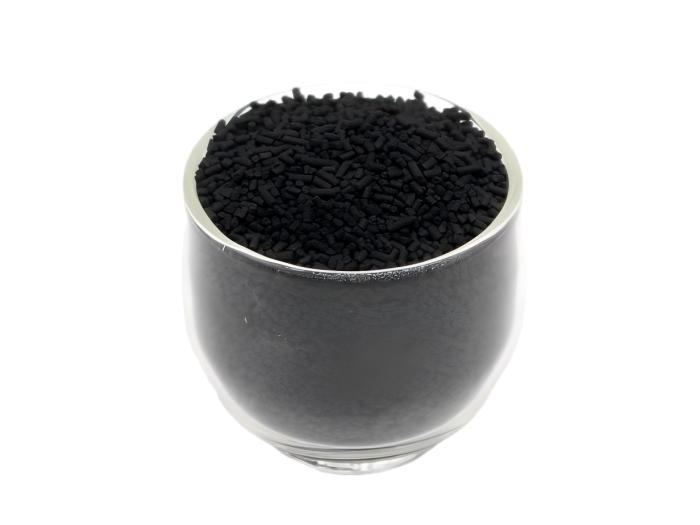
Technical Specifications of carbon molecular sieve 330
To help you better understand the performance of Carbon Molecular Sieve 330, YUANHAO provide a detailed technical specification sheet. These parameters highlight its pore structure, adsorption capacity, bulk density, and other key physical properties that ensure efficient nitrogen generation. By reviewing the specifications, you can easily determine whether CMS-330 is the right fit for your specific application requirements.
| GUANGDE YUANHAO MOLECULAR SIEVE CO., LTD Technical Parameters | ||||
| Product Technical Specifications The following are standard values, please increase or decrease the margin as needed | ||||
| Model | Adsorption pressure(Mpa) | Nitrogen concentration(%) | Carbon yield(L/h.kg) | Air / nitrogen |
| CMS-330 | 0.8 | 99.999 | 115 | 5.1 |
| 99.99 | 150 | 4.3 | ||
| 99.9 | 220 | 3.2 | ||
| 99.5 | 310 | 2.6 | ||
| 99 | 380 | 2.5 | ||
| Particles diameter(mm) | 1.2-1.3 | Bulk density (g/L) | 670-690 | |
| Adsorption Time(s) | 2*45 | Crushing strength(N/pcs) | ≥60-120N | |
| The optimal nitrogen production effect is achieved when the intake temperature is around 20℃. | ||||
Other carbon molecular sieves YUANHAO provide
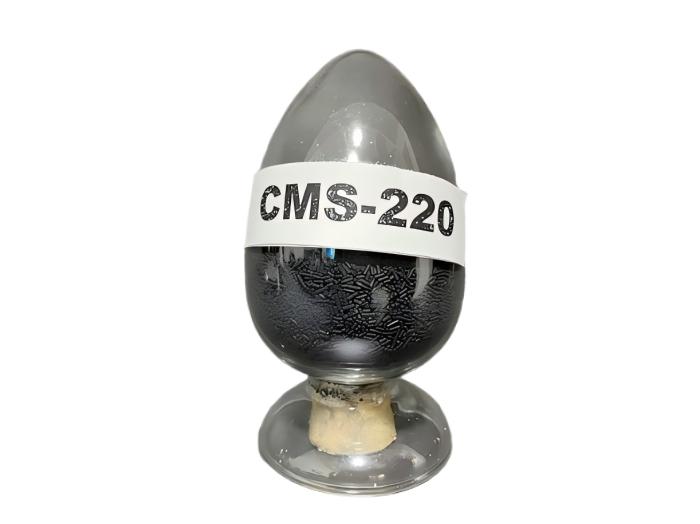
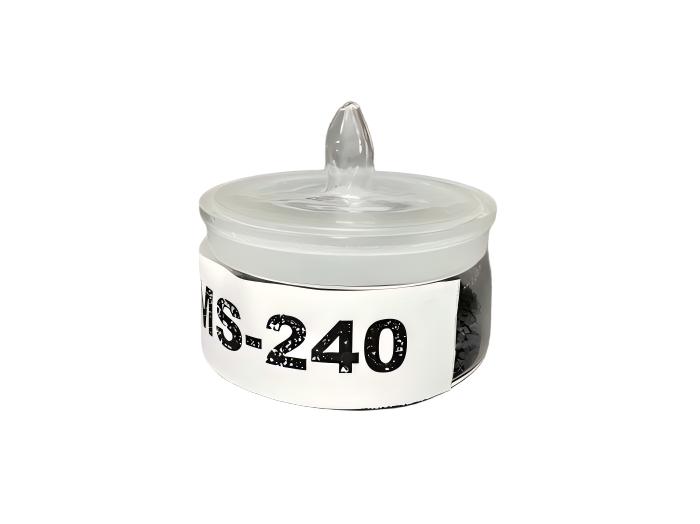
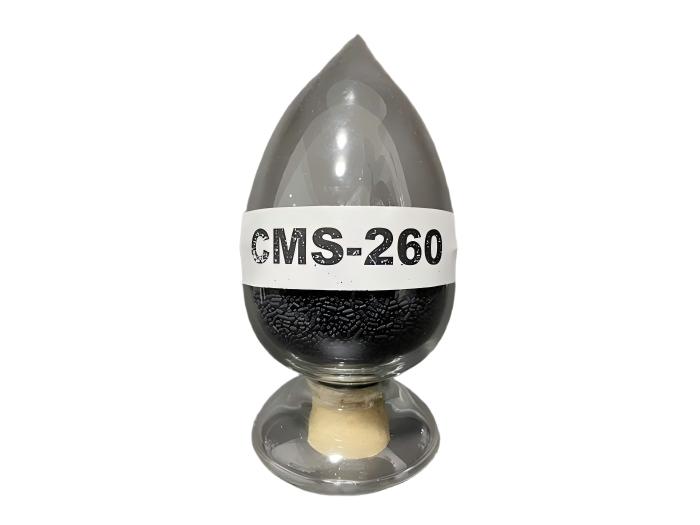
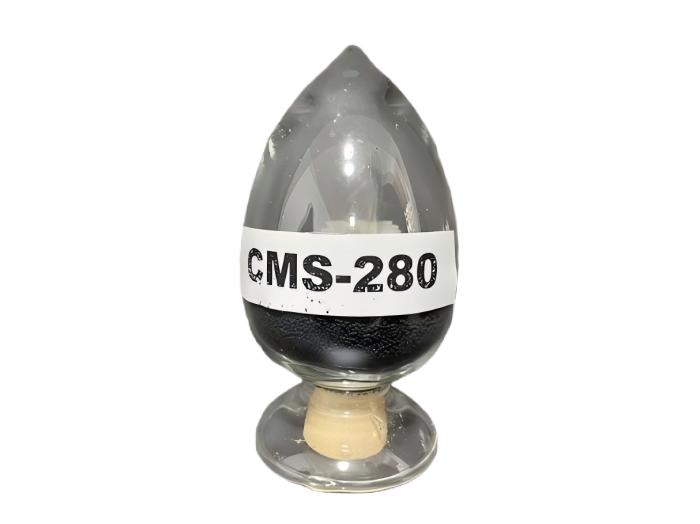
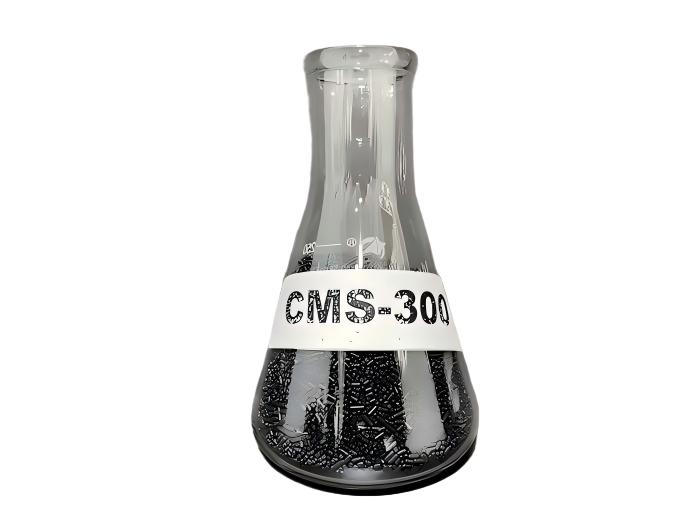
In addition to Carbon Molecular Sieve 330, Yuanhao offers a wide range of CMS models, including 220, 240, 260, 280, and 300. Each model is designed to meet different nitrogen purity and flow requirements, giving customers flexible options for various industrial applications. Beyond standard models, Yuanhao also supports customized solutions to ensure the optimal match for your production needs.
carbon molecular sieve 330 Feature
Higher Nitrogen Purity than Zeolites
CMS-330’s 3-angstrom uniform pores allow selective oxygen adsorption, achieving nitrogen purity above 99.9%, while conventional zeolites often produce lower purity under the same PSA conditions.
Faster Adsorption than Silica Gel
Compared with silica gel, CMS-330 adsorbs oxygen more quickly due to its optimized micropore structure, enabling shorter PSA cycle times and improved nitrogen production efficiency.
Longer Lifespan than Synthetic Molecular Sieves
CMS-330 maintains stable performance for 5–8 years, resisting degradation under repeated pressure swings, whereas many synthetic molecular sieves lose efficiency more rapidly.
Higher Nitrogen Yield than Aluminosilicates
Compared with aluminosilicate adsorbents, CMS-330 provides greater nitrogen output in high-flow PSA systems due to its higher adsorption capacity and precise pore distribution.
Why Leading Industries Trust YUANHAO for CMS 330



Strong R&D and Innovation
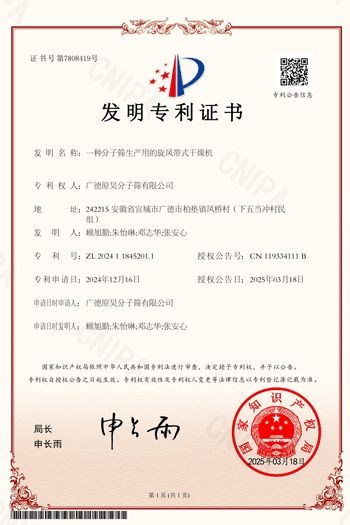
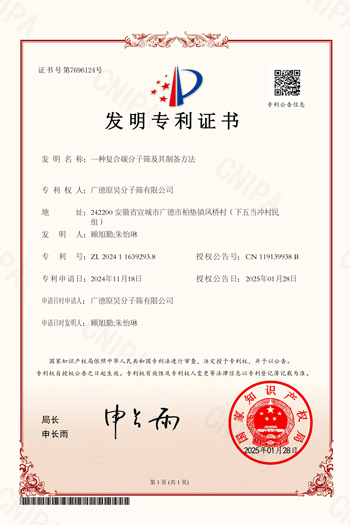
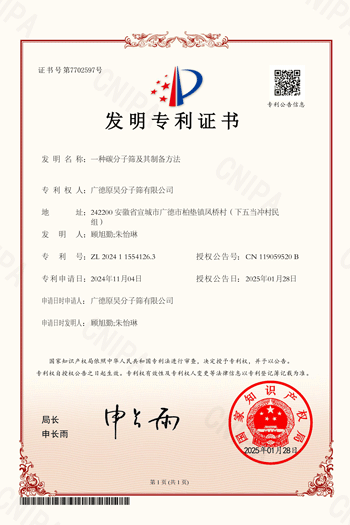
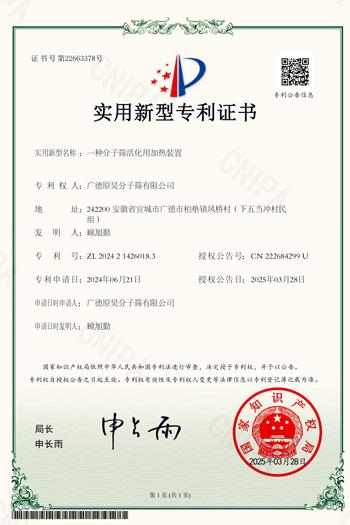
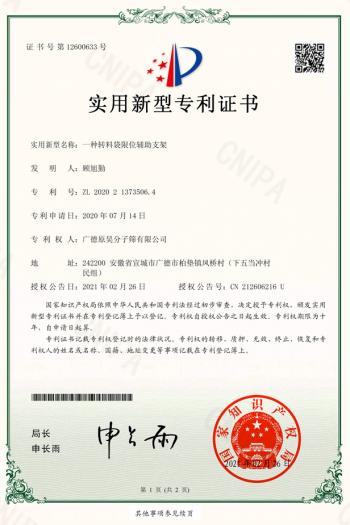
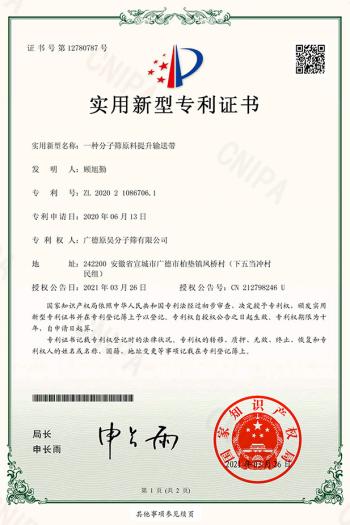
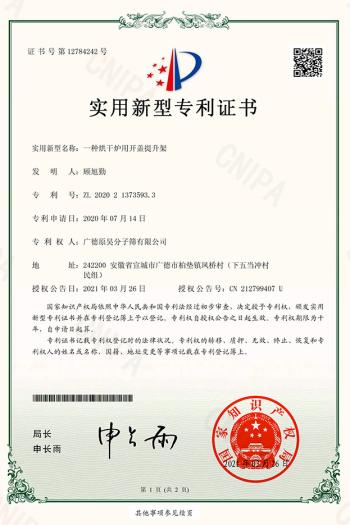
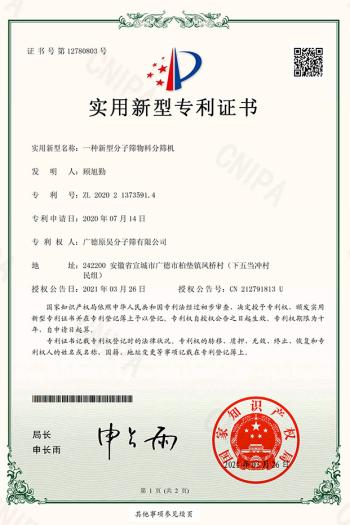
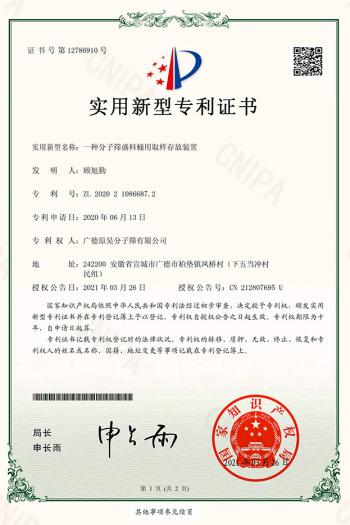
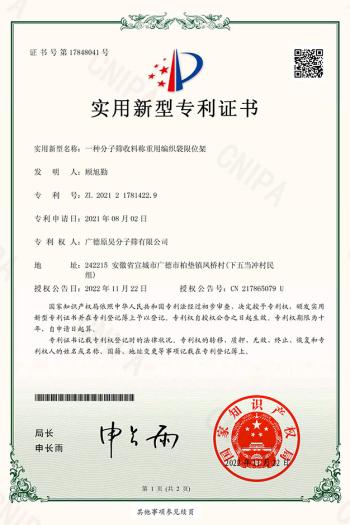
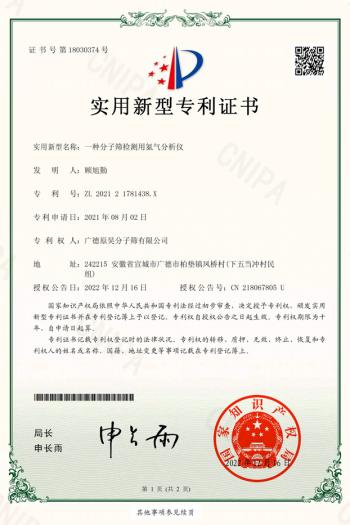
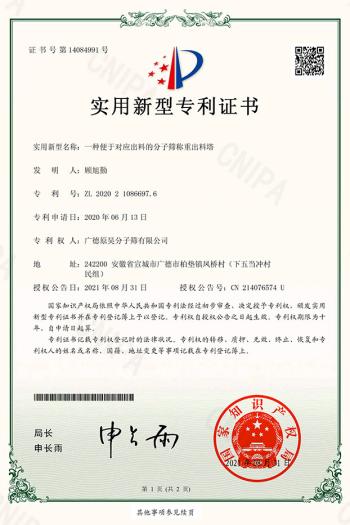
Yuanhao is committed to continuous improvement, holding 3 invention patents and 10 utility model patents. Through advanced research and innovation, the company enhances product performance and ensures long-term competitiveness in the global market.
Modern Facilities and High Production Capacity
With a total area of 6,617 m² and 4,500 m² of modern production workshops, Yuanhao is equipped with advanced manufacturing lines. Its annual production capacity of 1,600 tons ensures stable supply for diverse industrial needs.
Certified Quality and International Standards
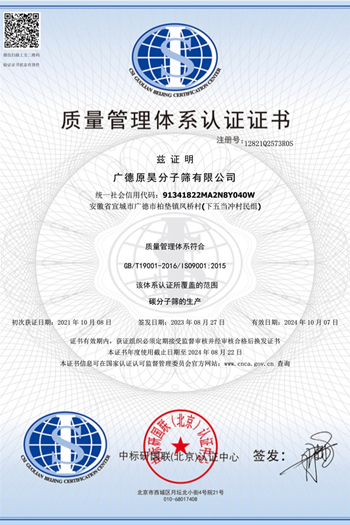
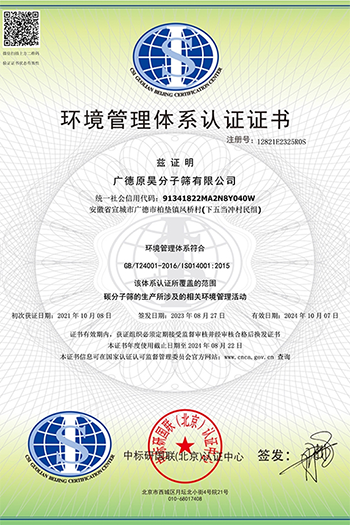
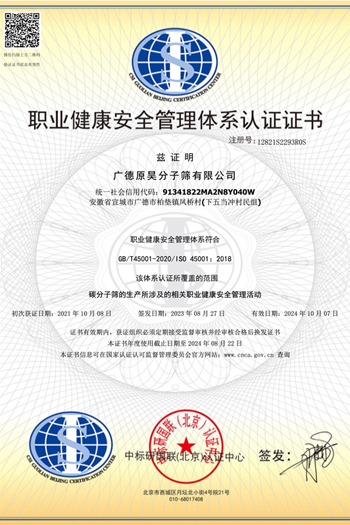
Yuanhao has earned ISO 9001, ISO 14001, and ISO 45001 certifications, demonstrating its commitment to quality management, environmental responsibility, and workplace safety. These certifications reflect the dedication to global industry standards.
Packaging and Storage Guidelines
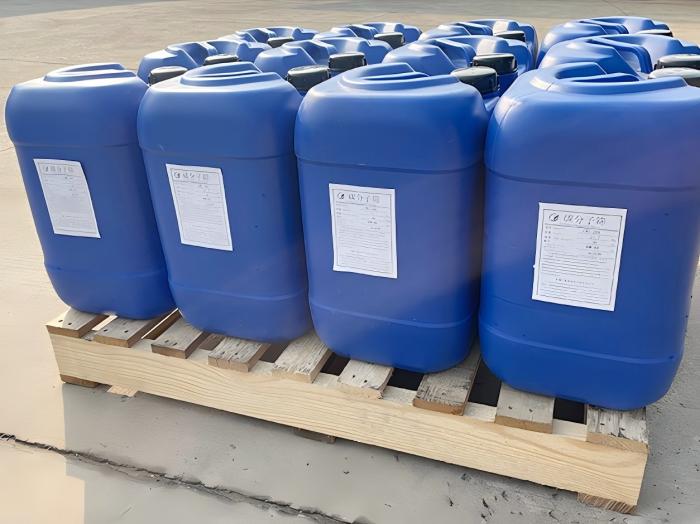
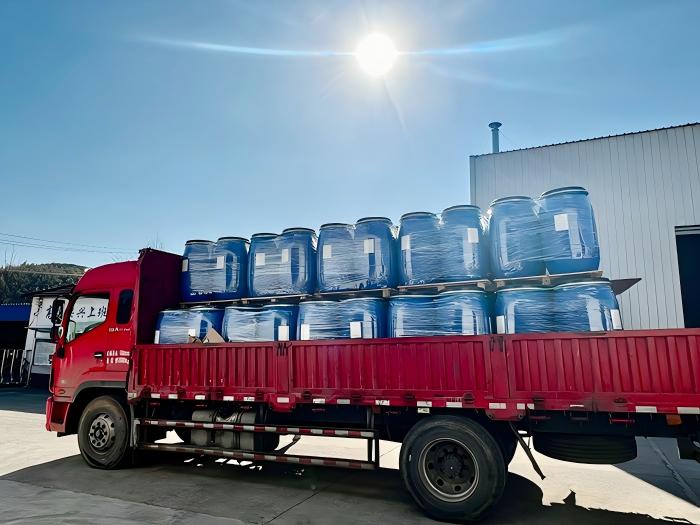
Secure and Protective Packaging
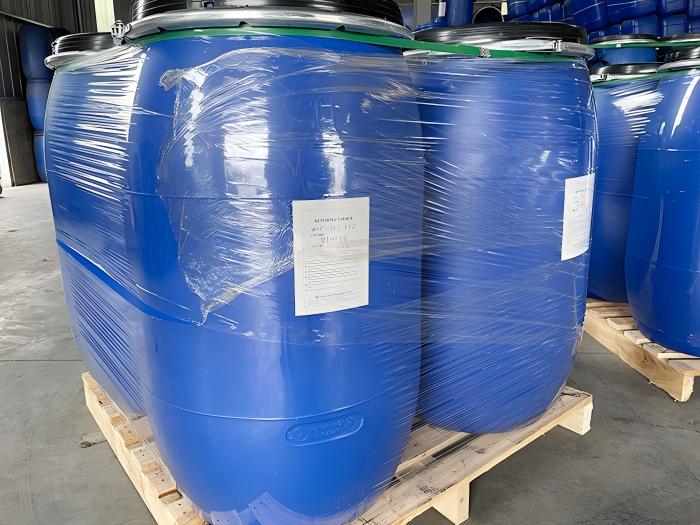
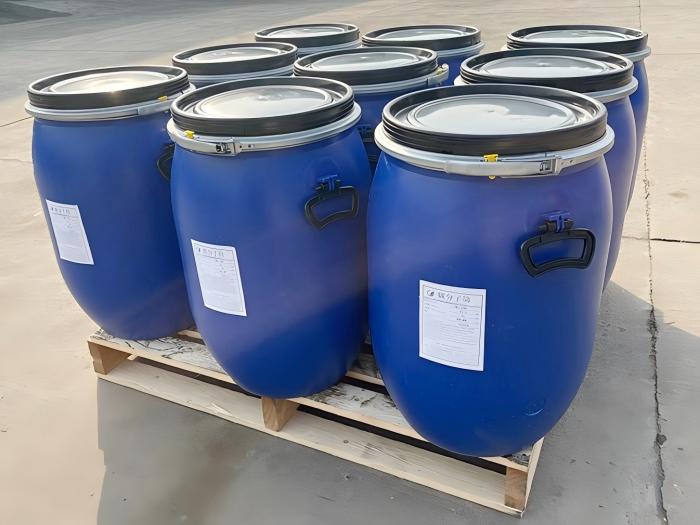
The product is sealed in plastic drums with aluminum foil lids, wrapped with protective film, and packed on pallets. This method completely isolates CMS-330 from external air, preventing moisture absorption and ensuring safe transportation and convenient unloading.
Storage Instructions
Store CMS-330 in a dry, cool place. Do not open the seal before use, as prolonged exposure to air allows moisture, oil, and organic particles to enter the micro-pores, which can reduce nitrogen adsorption capacity.
Proper Filling Method
During filling, the product should be compactly loaded using suitable vibration methods. Avoid using rods or direct pounding to prevent breakage or powder formation.
Recommended Filling Time
Fill the CMS-330 within 2 hours. Any remaining product should be sealed immediately to maintain performance.
Optimal Operating Conditions
Under normal conditions, inlet pressure 0.8 MPa and temperature 20°C ensure the best adsorption efficiency. CMS-330 has a service life of 5–8 years when operated under these conditions.
Steps to Customize carbon molecular sieve 330
Consultation
Our team first listens carefully to your requirements, including nitrogen purity, flow rate, and system specifications, to recommend the most suitable CMS-330 solution.
Quotation
Based on your needs, Yuanhao provides a detailed and transparent quotation, covering product specifications, quantities, and delivery options at no extra cost.
Production
With advanced facilities and strong capacity, Yuanhao ensures efficient production of CMS-330. Regular updates on manufacturing progress are provided to keep you informed.
Shipping
After strict quality testing and secure packaging, your customized CMS-330 is shipped promptly. Both sea and air transport options are available to meet your timeline.
Applications of carbon molecular sieve 330
Biogas Upgrading
Plastic Injection Molding
Cryogenic Applications
Oil-Free Air Systems
How do Carbon Molecular Sieves Compare to Activated Alumina and Activated Carbon?
Carbon Molecular Sieves (CMS), Activated Alumina (AA), and Activated Carbon (AC) are all widely used adsorbents, but they differ significantly in structure, performance, and applications. Understanding these differences helps industries choose the right material for gas separation, purification, and drying processes.
Pore Structure and Selectivity
Carbon Molecular Sieves (CMS): CMS has highly uniform micropores (~3 Å), which allows precise separation of molecules based on size, such as nitrogen from oxygen. This makes it ideal for PSA nitrogen generation and high-purity gas applications.
Activated Alumina (AA): AA has larger, irregular pores and is highly hydrophilic, making it effective for moisture removal from gases and liquids but less selective for molecular separation.
Activated Carbon (AC): AC has a wide range of pore sizes and high surface area, allowing adsorption of organic vapors, odors, and some gases, but it lacks the precise molecular sieving capability of CMS.
Adsorption Performance
CMS: Provides high nitrogen purity and recovery due to its precise pore structure. It is highly durable under repeated pressure swings and maintains performance over time.
AA: Excellent at removing water vapor and some acidic gases. However, its performance can drop if exposed to fine particulates or oils, and it does not separate gases by size.
AC: Ideal for removing volatile organic compounds (VOCs) and contaminants. Its adsorption is less selective, and it cannot effectively separate gases like oxygen and nitrogen.
Typical Applications
CMS: PSA nitrogen plants, hydrogen purification, biogas upgrading, and high-purity industrial processes.
AA: Compressed air drying, gas dehydration, water treatment, and refinery processes.
AC: Air purification, odor removal, solvent recovery, and environmental protection applications.
Durability and Lifespan
CMS: Long service life (5–8 years under normal PSA conditions) and resistant to pressure swing fatigue.
AA: Moderate lifespan; sensitive to moisture saturation and contamination.
AC: Variable lifespan depending on contaminants; requires regeneration to maintain efficiency.