
carbon molecular sieve cms 280
Carbon molecular sieve is a kind of adsorption material with carbon as the main component and highly developed microporous structure, which is widely used in PSA nitrogen production and gas separation.
At YUANHAO, we have dedicated over 15 years to perfecting the art and science of carbon molecular sieve (CMS) manufacturing. Our CMS products are engineered to be the trusted backbone of industrial gas separation and nitrogen generation, and the CMS 280 is a prime example of our commitment to excellence.
CMS 280 is a high-performance adsorbent designed specifically for Pressure Swing Adsorption (PSA) nitrogen generators. Its exceptional efficiency is rooted in its precisely engineered pore structure. Through a meticulously controlled manufacturing process, we create uniform, ultra-fine pores with a diameter of approximately 4 Angstroms.
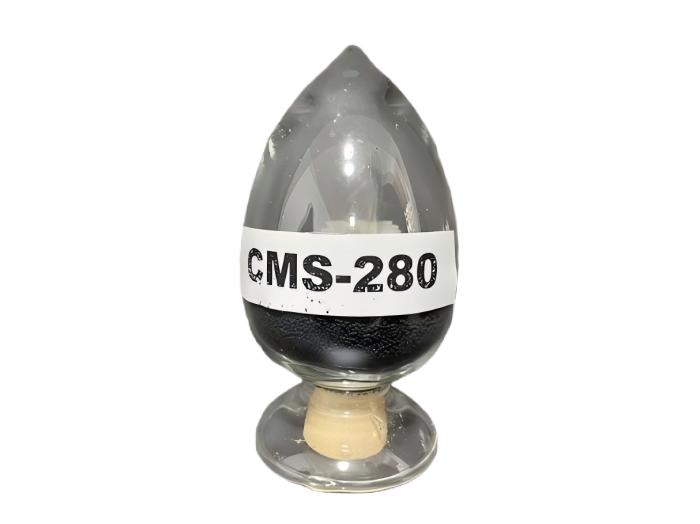
Technical Specifications of carbon molecular sieve cms 280
Our carbon molecular sieve cms 280 is manufactured with a focus on stability and high performance, backed by our state-of-the-art production facil.
| GUANGDE YUANHAO MOLECULAR SIEVE CO., LTD Technical Parameters | ||||
| Product Technical Specifications The following are standard values, please increase or decrease the margin as needed | ||||
| Model | Adsorption pressure(Mpa) | Nitrogen concentration(%) | Carbon yield(L/h.kg) | Air / nitrogen |
| CMS-280 | 0.8 | 99.999 | 90 | 6 |
| 99.99 | 130 | 4.6 | ||
| 99.9 | 210 | 3.3 | ||
| 99.5 | 280 | 2.5 | ||
| Particles diameter(mm) | 1.1-1.2 | Bulk density (g/L) | 660-670 | |
| Adsorption Time(s) | 2*45 | Crushing strength(N/pcs) | ≥80-100N | |
| The optimal nitrogen production effect is achieved when the intake temperature is around 20℃. | ||||
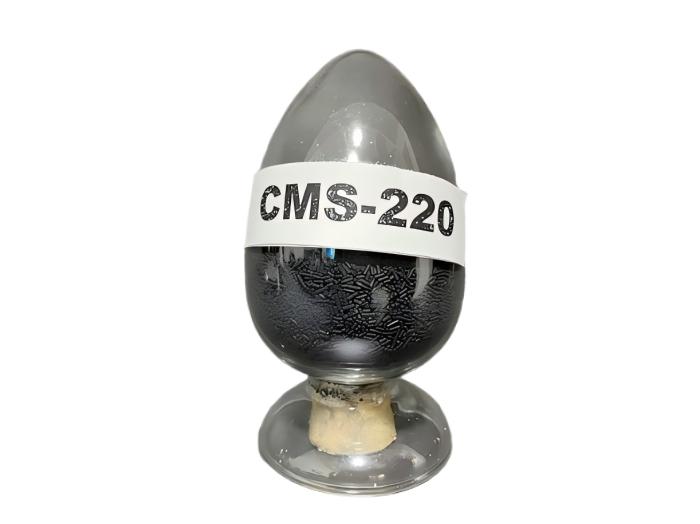
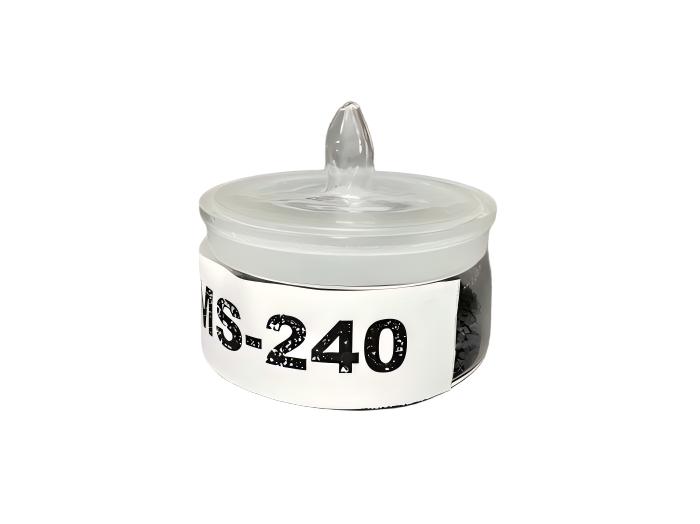
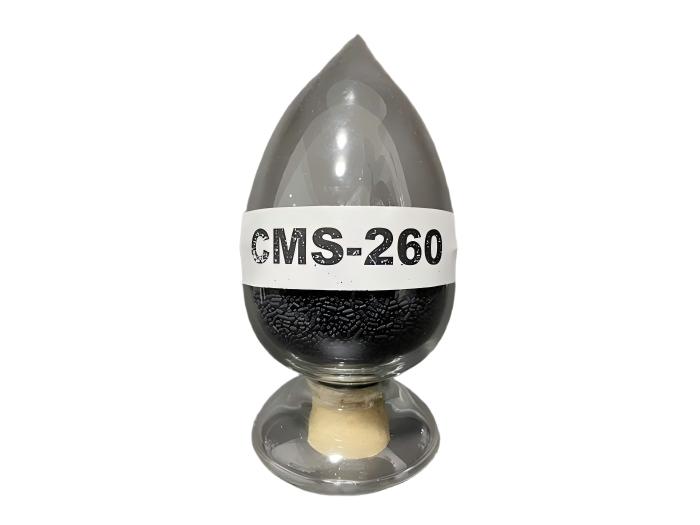
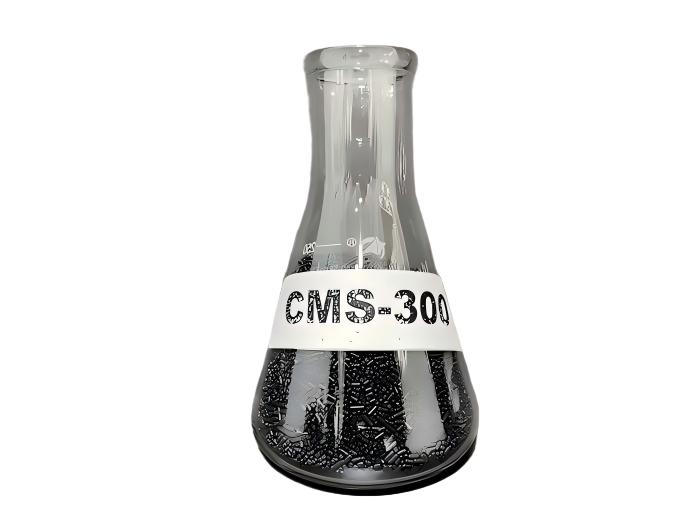
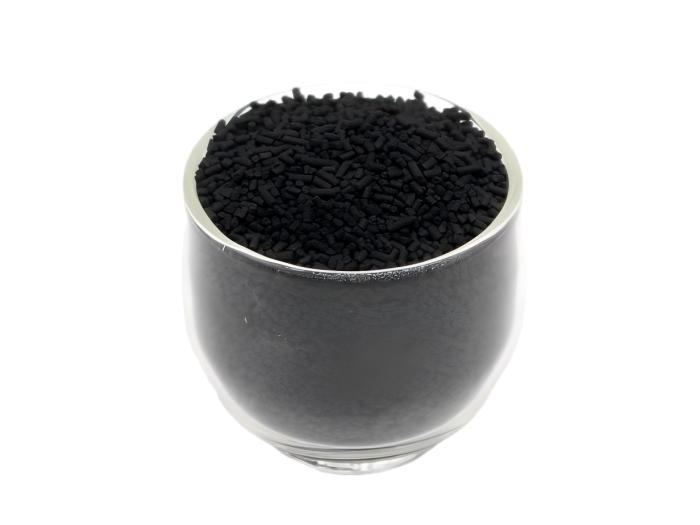
CMS 280 Feature
YUANHAO’s CMS-280 is a precision-engineered solution designed for superior performance in demanding applications. While all our sieves are built to the highest standards, the CMS-280 incorporates specific technological advancements that make it the benchmark for efficiency and reliability in its class.
Optimized Pore Structure for 99.9% Purity
The CMS-280 features a meticulously calibrated pore size distribution, specifically engineered for the kinetic separation of oxygen and nitrogen molecules. This allows it to consistently achieve nitrogen purity levels up to 99.9%, making it the ideal choice for applications where even marginal oxygen presence can compromise product quality or process integrity.
Enhanced Mechanical Strength & Abrasion Resistance
We utilize a proprietary binder system and a specialized activation process that significantly enhances the sieve’s mechanical durability. The CMS-280 exhibits exceptional resistance to abrasion and crushing, which minimizes particle breakdown and dusting during the intense pressure cycles of PSA systems. This translates to lower pressure drop, reduced maintenance needs.
Superior Kinetic Selectivity for Higher Efficiency
The adsorption kinetics of the CMS-280 are finely tuned to favor a faster uptake of oxygen molecules over nitrogen. This high selectivity allows for shorter cycle times within the PSA unit, which directly increases nitrogen production yield (Nm³/h) per ton of sieve and reduces the compressed air consumption, leading to substantial energy savings for the end-user.
Stable Hydrophobic Properties for Consistent Performance
Unlike some standard sieves that are sensitive to humidity fluctuations, the CMS-280 is treated to be highly hydrophobic. It effectively repels moisture from the feed air, protecting its intricate pore structure from performance degradation. This ensures stable adsorption capacity and consistent high purity output, even in environments with variable air conditions.
Why Leading Industries Trust YUANHAO for carbon molecular sieve cms 280
For over a decade, YUANHAO has been a globally recognized partner in the air separation industry. Our customers trust us not only for our products but also for our unwavering commitment to quality and innovation.
15+ Years of Industry Experience
With over 15 years of specialized experience, we have honed our expertise in the carbon molecular sieve manufacturing industry. Our deep understanding of gas separation technology allows us to provide reliable and effective solutions for our clients’ unique needs.
1,600 Tons of Annual Production
Our modern production facility, covering 4,500 square meters, is equipped with advanced lines and boasts an annual capacity of 1,600 tons. This ensures a consistent, high-volume supply of quality CMS to meet the diverse and growing demands of our industrial partners.
3 International Certifications
Our dedication to the highest standards is demonstrated through our ISO 9001, ISO 14001, and ISO 45001 certifications. These international recognitions validate our commitment to quality, environmental responsibility, and occupational safety, earning the trust of the global air separation industry.
13 Patents
We are committed to continuous improvement and innovation, which has resulted in 3 invention and 10 utility model patents. These achievements solidify our position as a leader in advancing adsorbent technology and providing cutting-edge solutions for all our clients.
Air Separation of carbon molecular sieve cms 280
Brazing and Soldering
Oil & Gas Blanketing
Tire Inflation
Using Precautions
To ensure maximum efficiency and longevity of your carbon molecular sieves (CMS), particularly the YUANHAO CMS-280, please adhere to the following operational guidelines. These steps are crucial for maintaining the adsorption performance and structural integrity of the sieves.
Ensure Proper Filling in Adsorption Vessels
Carbon molecular sieves must be tightly packed in the adsorption vessels of the PSA nitrogen generator. The recommended bulk density for CMS-280 is 660-670 g/L. Inadequate filling can lead to particle movement and abrasion during pressure cycling, resulting in premature pulverization and reduced efficiency.
Pre-Treat Compressed Air Effectively
It is essential to ensure that compressed air is thoroughly dried and purified before it enters the adsorption vessels. Excessive oil, moisture, or dust contaminants can clog the micropores of the carbon molecular sieves, significantly impairing their adsorption capacity and service life.
Optimize Equilibrium Time
Appropriate equilibrium time (typically 1-3 seconds, depending on the switching speed of equilibrium valves) is recommended. This practice not only improves energy recovery within the PSA system but also contributes to extending the service life of the carbon molecular sieves.
Set Optimal Adsorption Time
For the CMS-280 model, the recommended adsorption time is 90 seconds. Adhering to this specific adsorption time ensures maximum gas production rate while minimizing energy consumption and maintaining the integrity of the system components.
Select Appropriate Adsorption Pressure
Higher adsorption pressure enhances the adsorption capacity of carbon molecular sieves. For the CMS-280 model, the recommended adsorption pressure is 0.8 MPa. Note that pressure requirements differ between atmospheric and vacuum regeneration processes.
Maintain Optimal Adsorption Temperature
The optimal nitrogen production efficiency is achieved when the intake temperature is maintained at approximately 20°C. Operating within this temperature range ensures peak adsorption performance and maximizes the output quality of the generated nitrogen.
Ensure Adequate Mechanical Strength
The CMS-280 features excellent crushing strength of ≥80-100 N/piece, ensuring outstanding durability and resistance to abrasion during pressure swing operations. This high mechanical strength minimizes particle breakdown and extends the service life of the molecular sieves.
carbon molecular sieve cms 280 FAQ
Do you provide pricing and accessories for your CMS products?
Our pricing for carbon molecular sieve products is not one-size-fits-all but is carefully customized based on the specific requirements of each project. Key factors influencing the price include the required nitrogen purity, flow rate, and the particular application. For instance, an application demanding 99.99% purity will necessitate a higher-performance, more expensive CMS model and a larger fill volume, which differs significantly from a standard industrial-grade nitrogen application. Additionally, our offerings extend beyond the CMS product itself to include comprehensive technical support.
To ensure you receive the most optimal overall solution, our sales team will engage in a detailed discussion with you to fully understand your project needs, equipment specifications, and budgetary considerations. They will then provide a detailed and transparent quotation that covers the CMS product and even technical consultation and after-sales support services. We firmly believe that this personalized approach ensures you receive the most cost-effective and high-performing solution for your business.
What is a carbon molecular sieve desiccant?
A carbon molecular sieve (CMS) is not a desiccant in the traditional sense, as its primary function is not to remove water vapor from the air. A traditional desiccant, like silica gel or activated alumina, adsorbs moisture. A CMS, however, is designed to separate gases, such as oxygen and nitrogen, based on the size of their molecules. While CMS can adsorb a small amount of moisture, it is the selectivity for gas molecules that defines its function. In PSA systems, the air is typically dried by a separate desiccant or air dryer before it reaches the CMS bed to prevent moisture from degrading the CMS performance.