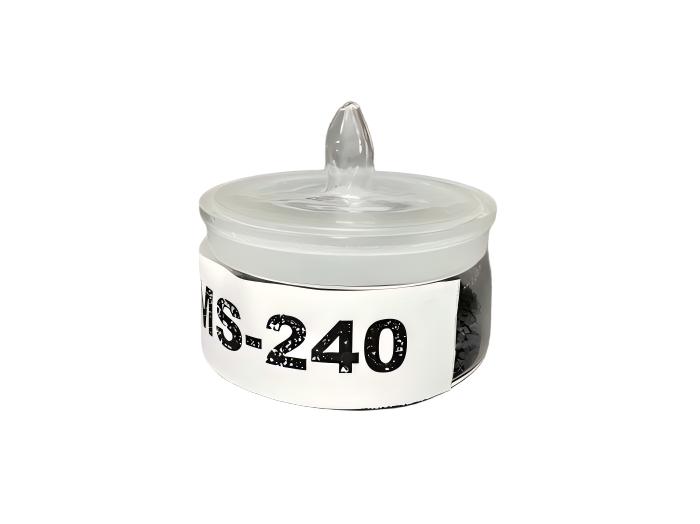
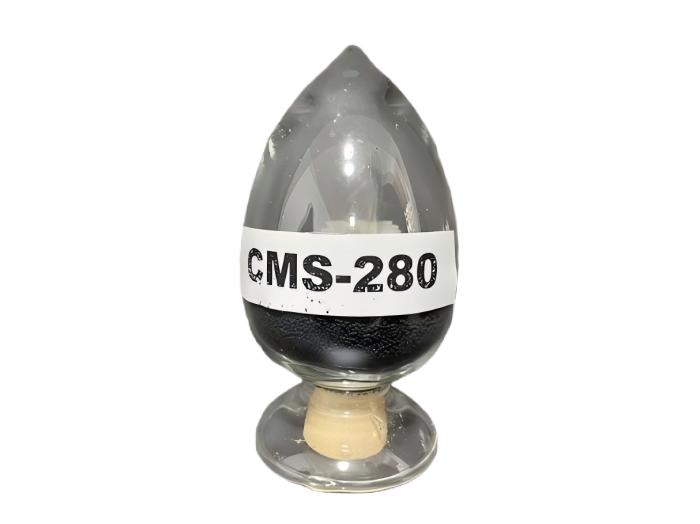
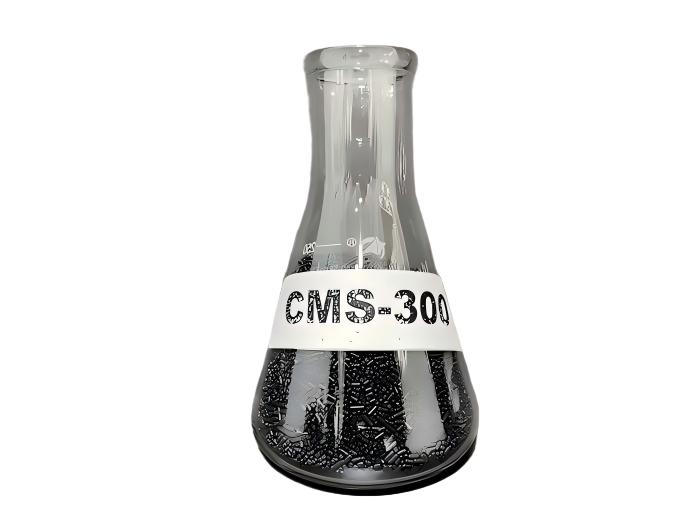
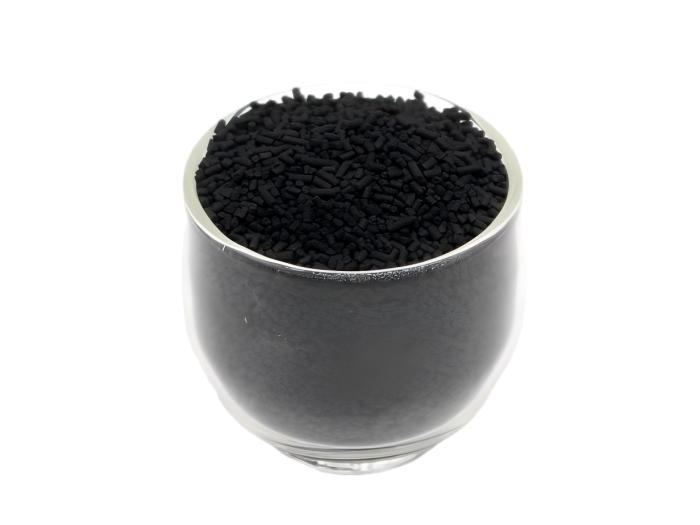




Carbon molecular sieve is a kind of adsorption material with carbon as the main component and highly developed microporous structure, which is widely used in PSA nitrogen production and gas separation.

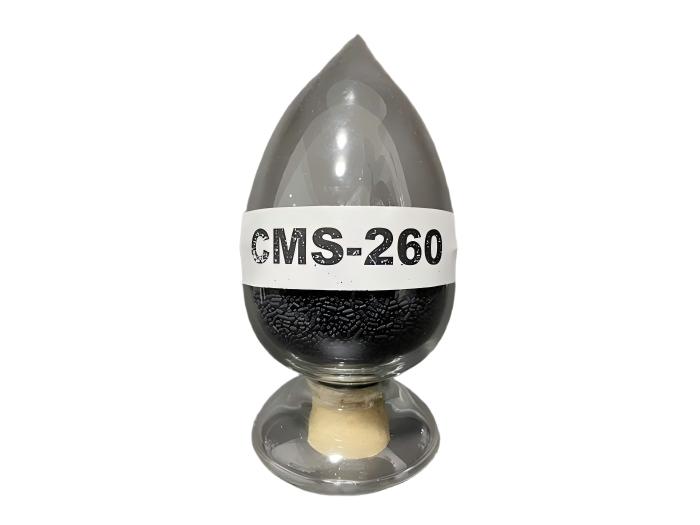
CMS 260 is manufactured as uniform black granules, characterized by a narrow pore size distribution of approximately 0.3–0.4 nanometers, which allows it to selectively adsorb smaller oxygen molecules while letting larger nitrogen molecules pass through. These properties provide greater durability during repeated adsorption–desorption cycles, extending operational lifespan and reducing maintenance requirements.

With over 15 years of expertise in molecular sieve production, we have developed carbon molecular sieves 260 to combine stability, energy efficiency, and long service life. Manufactured in our modern facility in Anhui, China, and backed by international certifications, YUANHAO CMS 260 delivers reliable performance trusted by industries worldwide.We are committed to producing “high-end, energy-saving, stable and long service life, high nitrogen production and low air consumption” CMS.

Technical Specifications of CMS 260

YUANHAO provides a comprehensive specifications table for CMS 260, along with expert guidance to help you select the most suitable solution for your application. For more detailed information or personalized support, please contact us, and our team will respond promptly to address your needs.

GUANGDE YUANHAO MOLECULAR SIEVE CO., LTD Technical Parameters
Product Technical Specifications                                       The following are standard values, please increase or decrease the margin as needed
ModelAdsorption pressure(Mpa)Nitrogen concentration(%)Carbon yield(L/h.kg)Air / nitrogen
CMS-2600.899.999807
99.991205
99.92003.6
99.52602.8
993202.5
983602.3
Particles diameter(mm)1.1-1.2Bulk density (g/L)660-670
Adsorption Time(s)2*45Crushing strength(N/pcs)≥70-100N
The optimal nitrogen production effect is achieved when the intak temperature is around 20℃.

Other carbon molecular sieves YUANHAO provide

Carbon Molecular Sieve Manufacturer

Why leading industries trust YUANHAO for CMS 260

Over 15 Years of Expertise in CMS Manufacturing

Founded in 2010, YUANHAO has accumulated over 15 years of experience in carbon molecular sieve production. This long-term specialization ensures CMS 260 is developed with advanced know-how, proven reliability, and consistent performance, making it a trusted choice for demanding nitrogen generation applications worldwide.

Strategic Location with Strong Regional Advantages

Situated in Anhui Province at the junction of Jiangsu, Zhejiang, and Anhui, YUANHAO benefits from excellent logistics and abundant resources. This advantageous location enables efficient production, faster delivery, and more stable supply of CMS 260 to customers across various global industries with minimal disruption.

Advanced Facilities Ensuring High Capacity

YUANHAO operates a 6,617-square-meter site, including 4,500 square meters of modern production space equipped with advanced lines. With an annual output capacity of 1,600 tons, we ensure CMS 260 is produced with consistent quality, stable performance, and the capability to meet large industrial demand.

International Certifications and Industry Recognition

Certified under ISO 9001, ISO 14001, and ISO 45001, YUANHAO demonstrates strict compliance with international standards of quality, safety, and sustainability. Our CMS 260 has earned broad recognition in the global air separation industry, trusted by leading companies for reliable nitrogen generation and gas separation systems.

YUANHAO cooperating customers

Over the years, YUANHAO has built strong partnerships with leading enterprises in the air separation and gas generation industry. Our CMS products are trusted by well-known companies such as Fenghua, Hangyang, INTURE, and JEECH. These collaborations reflect the confidence that top industry players place in YUANHAO’s stable quality, reliable supply, and advanced technical support. By working with such reputable partners, YUANHAO continues to strengthen its position as a dependable global supplier of carbon molecular sieves.

Consult Your Carbon Molecular Sieve Experts With Easy

We make it simple to get the right CMS 260 solution — with reliable quality, competitive pricing, and on-time delivery.

Tell Us Your Requirements

Share your needs in detail — such as the CMS model you prefer, the volume required, and your specific application. The more information you provide, the faster we can tailor the right solution for you. After submitting the form, our team will respond within 24 hours.

Get Your Solution & Quote

Based on your requirements, YUANHAO experts will design the most suitable CMS 260 solution. A clear and competitive quotation will be provided promptly to help you make the best decision. For urgent cases, you can call us directly at +86-15669292835.

Confirm & Start Production

Once you approve the solution, we will immediately arrange mass production. Our modern facilities ensure stable quality and high output, and we take care of the shipment to guarantee safe and timely delivery.

Applications of CMS 260

Packaging Sensitive Materials

CMS 260 provides high-purity nitrogen for packaging semiconductors, specialty chemicals, and other oxygen- or moisture-sensitive products. By displacing oxygen and maintaining an inert atmosphere, it extends shelf life.
Chemical Industry

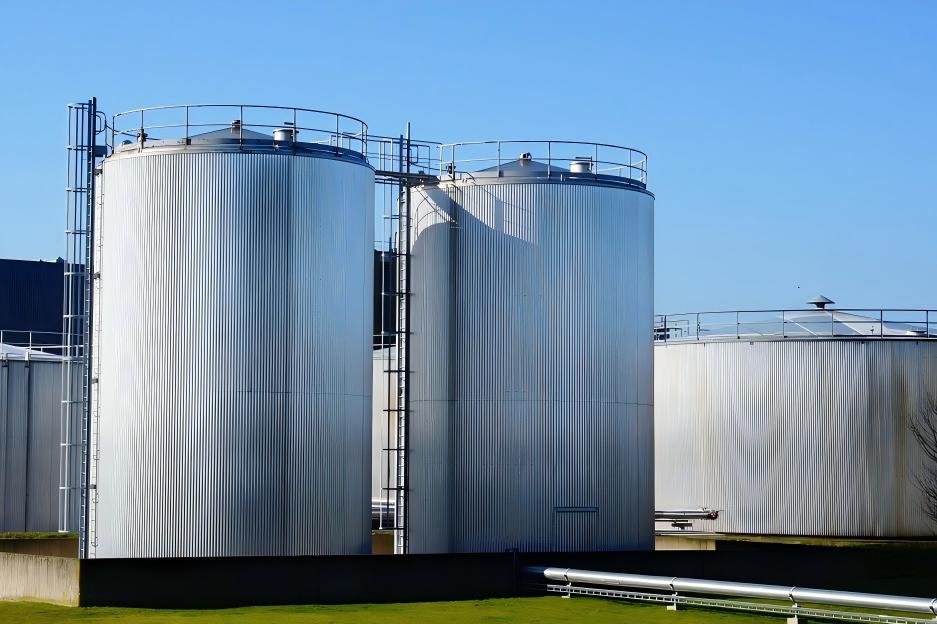
CMS 260 supply nitrogen for oxidation-sensitive reactions, reactor blanketing, and storage tank protection. Its stable adsorption performance and high nitrogen purity reduce the risk of unwanted reactions.
Laboratory and Analytical

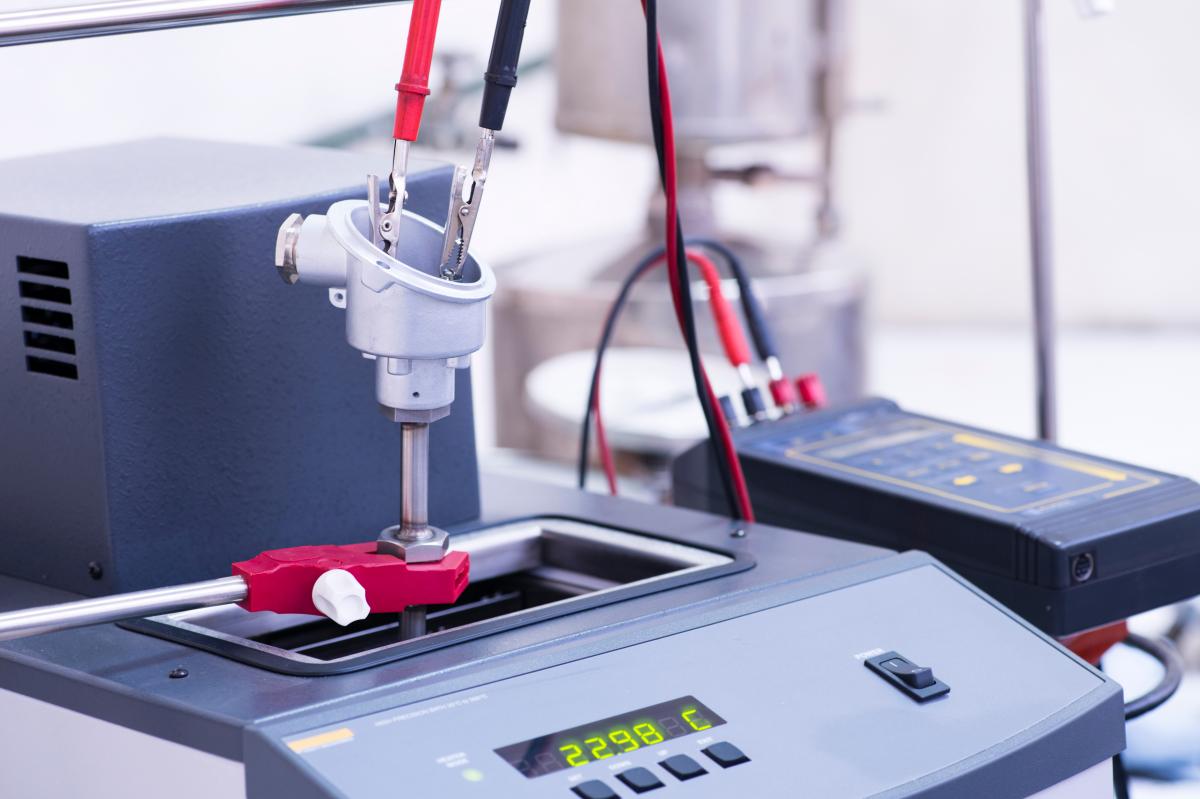
In research and analytical labs, CMS 260 delivers reliable high-purity nitrogen for experiments, chromatography, and instrument calibration. Its stable flow and purity support precise measurements and reproducible results.
Beverage and Food Processing

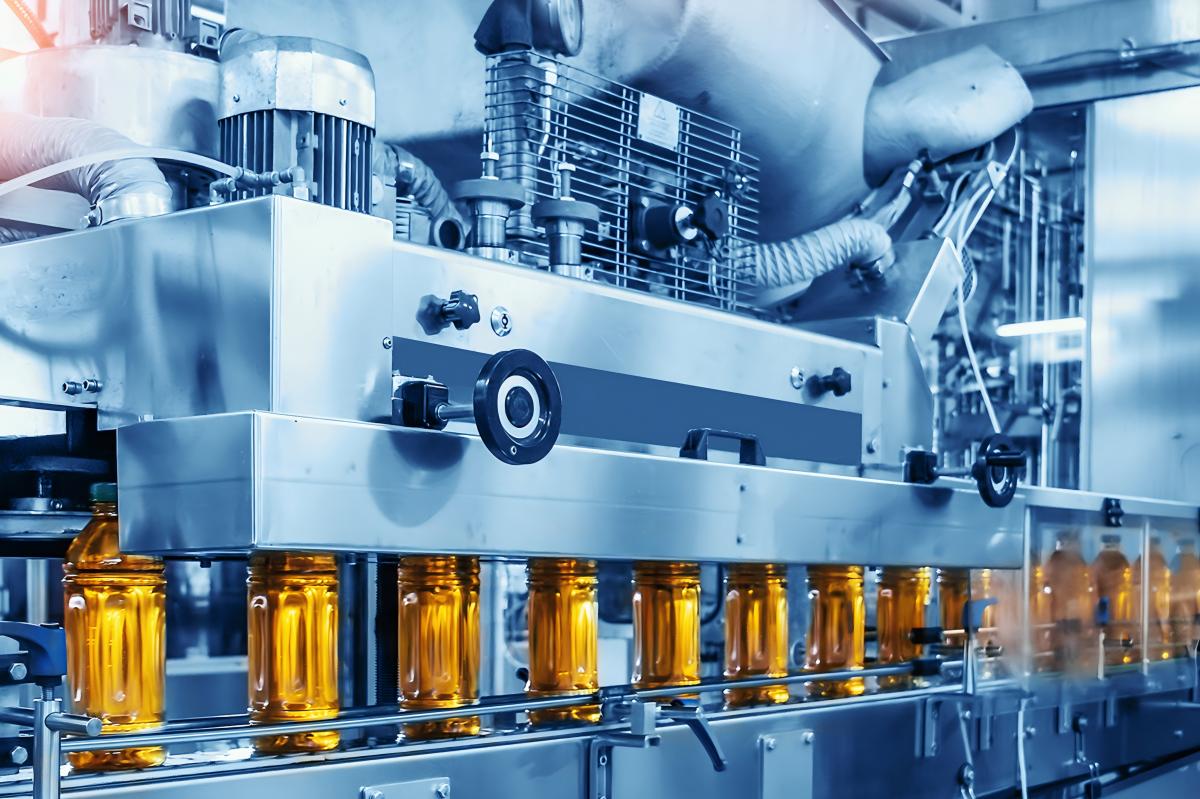
Beyond simple packaging, CMS 260 is used in modified atmosphere packaging (MAP) for perishable foods and beverages. By controlling oxygen levels, it extends freshness and reduces spoilage during distribution and storage.
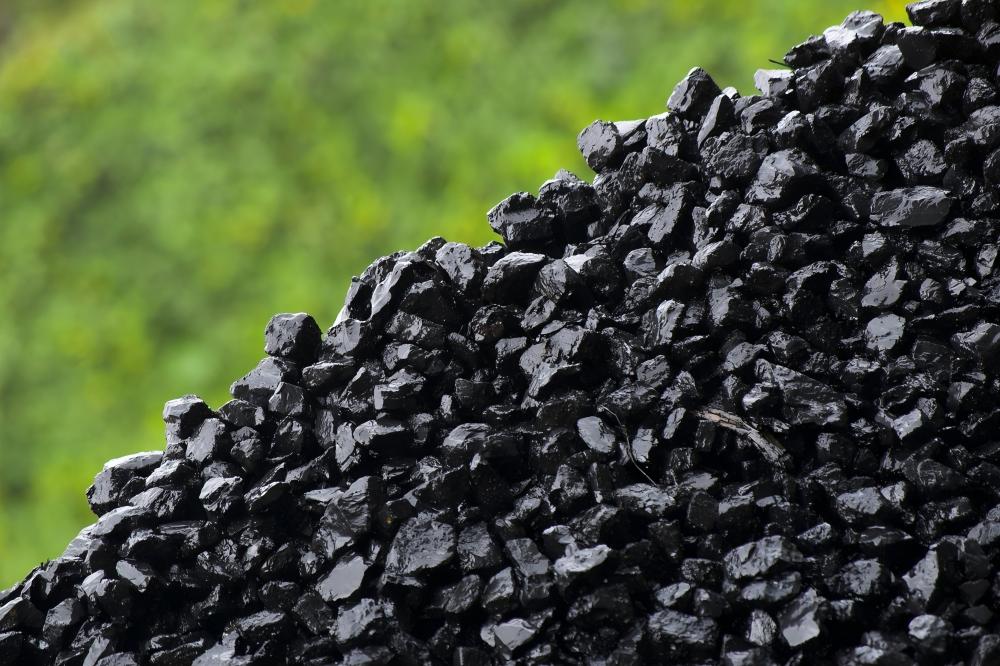
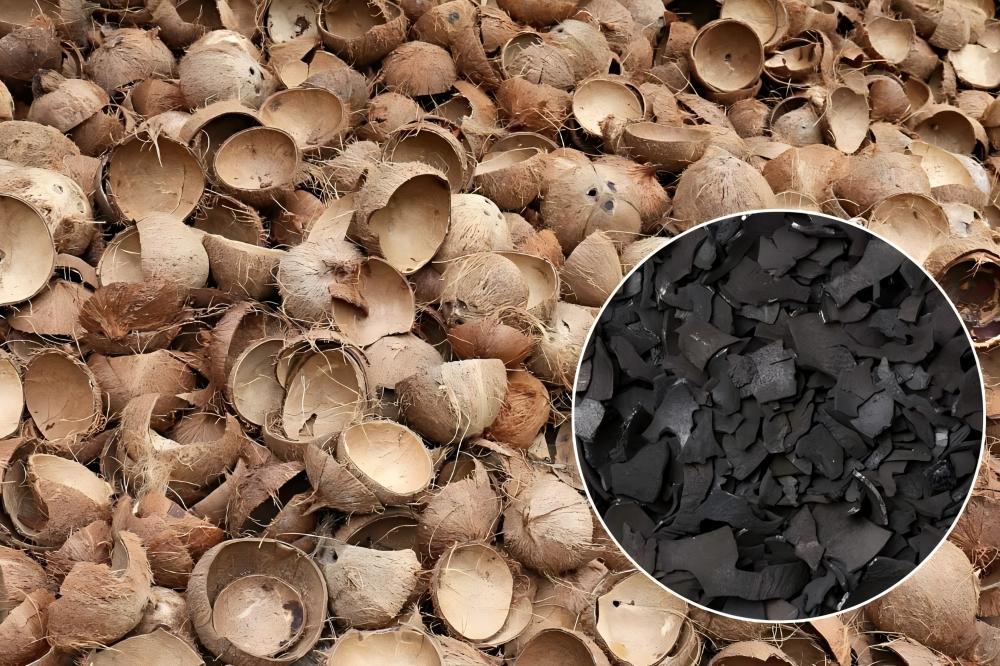
Carbon Molecular Sieve 260 Raw Materials

Coal-Based Materials

Coal-based CMS uses readily available, low-cost coal as the raw material. It offers good mechanical strength and mature production technology, making it suitable for large-scale industrial applications. Careful selection of low-ash, smokeless coal is essential, as high ash content can block pores, reduce adsorption efficiency, and negatively affect nitrogen separation performance.

Biomass Materials

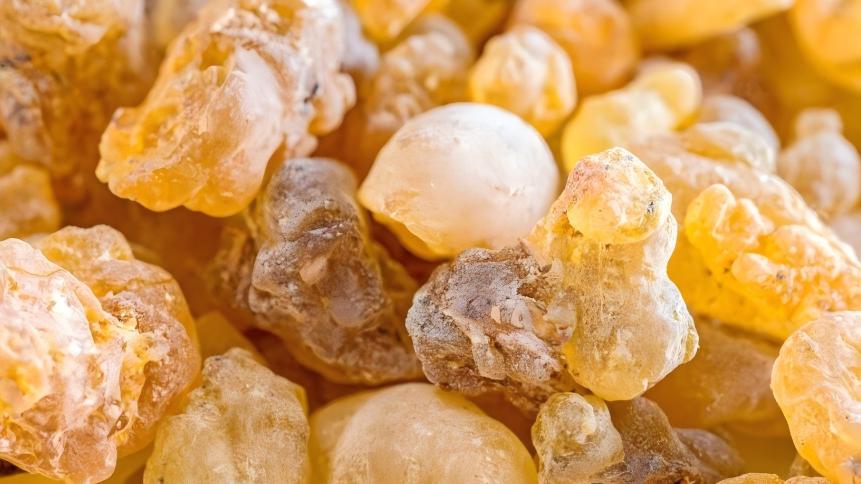
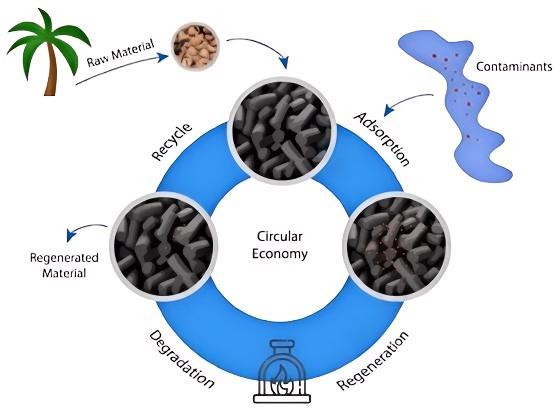
Biomass-based CMS is produced from renewable, environmentally friendly, and widely available materials such as coconut shells. This raw material is considered high-quality for high-performance activated carbon and CMS, offering naturally hard structures that result in high strength, low ash content, and well-developed pores, producing excellent adsorption performance and mechanical durability.

Polymer-Based Materials

Polymer-based CMS is manufactured from synthetic precursors, such as Phenolic Resin, typically for high-performance or specialized applications. Although it has higher production costs and more complex processes, it provides precisely controlled pore structure, superior energy efficiency, and long-term stability, making it ideal for high-end industrial, laboratory, or academic research purposes.

Carbon Molecular Sieve 260 Regeneration

Over time, adsorption sites in CMS 260 can become saturated with oxygen, moisture, or other impurities, reducing nitrogen purity and operational efficiency. Proper regeneration restores adsorption capacity, stabilizes performance, and reliably extends the service life of the CMS. Different raw materials require different regeneration methods, and the following expert guidance from YUANHAO is provided to help optimize this process.

Thermal Regeneration

Thermal regeneration heats CMS 260 to a controlled temperature to desorb accumulated gases and moisture. This method is suitable for coal-based and biomass-based CMS, which tolerate repeated heating without structural damage. Thermal regeneration ensures full recovery of adsorption capacity, making it ideal for continuous industrial-scale nitrogen generation and large-scale PSA systems.

Pressure Swing Regeneration

Pressure swing regeneration uses alternating pressure cycles to release adsorbed gases from CMS 260. It is commonly applied in on-site PSA nitrogen systems, allowing continuous operation without removing the molecular sieve. This method works best for biomass-based CMS with high mechanical strength and low ash content, maintaining nitrogen purity and efficient operation.

Vacuum Regeneration

Vacuum regeneration applies reduced pressure to facilitate desorption at lower temperatures. It is suitable for polymer-based CMS or other high-performance sieves sensitive to heat. This method preserves the precise pore structure while restoring adsorption efficiency, making it ideal for high-purity nitrogen generation in laboratories or specialized industrial processes.

CMS 260 Frequently Asked Questions

Is molecular sieve hazardous?

In general, molecular sieves (including carbon molecular sieves and zeolite-based sieves) are not classified as hazardous materials when handled properly. They are chemically stable, non-toxic, and non-flammable under normal conditions. However, there are a few safety considerations to keep in mind:

Dust Inhalation
Molecular sieves are often supplied in granular or powdered form. Fine dust may cause irritation to the respiratory system, eyes, or skin. It is recommended to use protective gloves, goggles, and masks when handling large quantities.

High-Temperature Risks
During regeneration, molecular sieves are often heated to release adsorbed gases. Improper handling of hot materials can cause burns, and oxygen-deficient environments may be created in enclosed spaces.

Waste Disposal
Used molecular sieves containing hydrocarbons, solvents, or other chemicals should be treated as contaminated waste and disposed of according to local regulations.

In the manufacturing of Carbon Molecular Sieves (CMS), a sieve test is a critical step to ensure product consistency and performance. It measures the particle size distribution of the finished CMS granules, which directly influences adsorption efficiency, nitrogen yield, and system stability.

Ensuring Uniform Particle Size
Consistent granule size allows even gas flow in PSA nitrogen generators, preventing channeling and improving nitrogen purity.

Optimizing Adsorption Performance
Proper particle size distribution helps maximize the available surface area while minimizing pressure drop, ensuring efficient separation of oxygen and nitrogen.

Maintaining Mechanical Strength
Oversized or undersized particles may weaken the packing structure inside adsorption towers. Sieve testing ensures granules fit within the desired size range for stable operation.

Meeting Industry Standards
CMS products must conform to strict specifications for use in PSA systems. Sieve analysis confirms compliance with ISO and customer-specific requirements.

*All emails to us will be answered within 24 hours if you want an instant response. Please talk to us on WhatsApp.