
low purity carbon molecular sieves
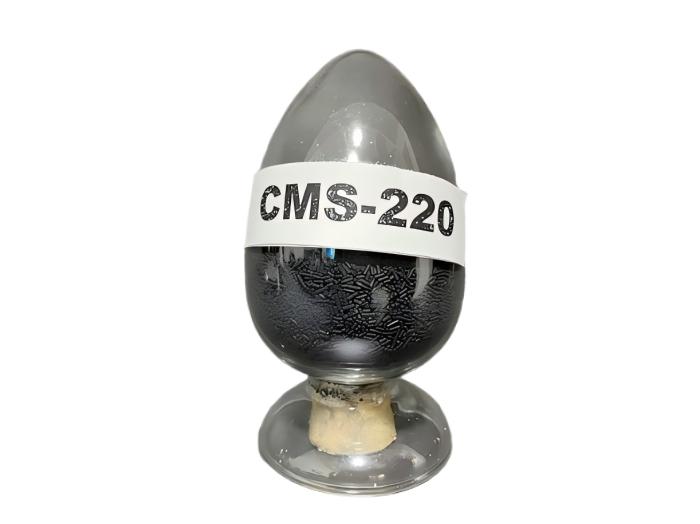
CMS 220
Budget-Friendly
CMS 220 is a low-cost option, making it perfect for basic applications where high gas purity is not necessary.
Quick Cycle Time
It allows for faster adsorption and desorption, which helps increase efficiency in simple nitrogen systems.
Easy Operation
CMS 220 is easy to install and use, ideal for small systems with limited maintenance needs.
Suitable For:
Tire inflation systems/ Food packaging lines/ Portable nitrogen generators
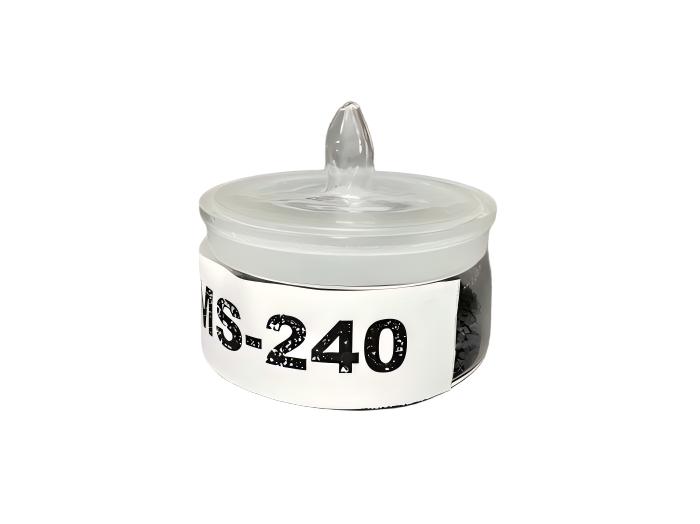
CMS 240
Great Value
CMS 240 offers a strong balance between performance and price, ideal for general industrial use.
Reliable Output
It provides steady nitrogen production, suitable for operations needing moderate gas purity.
Improved Durability
Designed for better strength than CMS 220, it lasts longer under stable working conditions.
Suitable For:
Medium-size nitrogen plants/ Heat treatment processes/ Electronics assembly
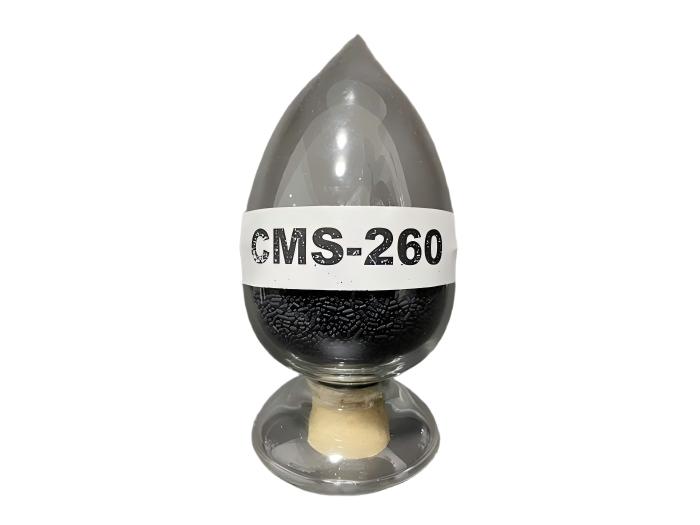
CMS 260
Higher Purity
CMS 260 produces nitrogen with higher purity, ideal for industries with stricter gas quality needs.
Strong Mechanical Strength
Its tough structure resists crushing and damage, perfect for long-term, stable use.
Humidity Tolerance
CMS 260 performs well even in slightly humid environments, maintaining stable separation efficiency.
Suitable For:
Welding and cutting systems/ PCB and microchip packaging/ Laboratory-grade gas supply
Key Product Features
Our Carbon Molecular Sieve is carefully engineered to meet the exacting requirements of PSA. Backed by strict quality control and full regulatory compliance, it offers an outstanding combination of excellent adsorption efficiency, strong mechanical durability, and long operational life—guaranteeing reliable performance in industrial gas separation processes.
| Model | Adsorption pressure(Mpa) | Nitrogen concentration(%) | Carbon yield (L/h.kg) | Air / nitrogen |
| YHCMS-CH90 | 0.7-0.8 | 99.99 | 90 | 5.4 |
| 99.9 | 160 | 4.0 | ||
| 99.5 | 220 | 3.2 | ||
| 99 | 280 | 3.1 | ||
| 98 | 320 | 2.8 | ||
| YHCMS-CH100 | 0.7-0.8 | 99.99 | 100 | 5.0 |
| 99.9 | 180 | 3.8 | ||
| 99.5 | 250 | 3.0 | ||
| 99 | 300 | 2.9 | ||
| 98 | 370 | 2.7 | ||
| YHCMS-ZD120 | 0.7-0.8 | 99.5 | 270 | 2.9 |
| 99 | 340 | 2.8 | ||
| 98 | 420 | 2.6 | ||
| 97 | 470 | 2.5 | ||
| 95 | 560 | 2.4 | ||
| YHCMS-ZD140 | 0.7-0.8 | 99.5 | 290 | 2.8 |
| 99 | 360 | 2.7 | ||
| 98 | 440 | 2.5 | ||
| 97 | 490 | 2.4 | ||
| 95 | 590 | 2.3 | ||
| YHCMS-GD150 | 0.7-0.8 | 99.5 | 320 | 2.7 |
| 99 | 390 | 2.6 | ||
| 98 | 470 | 2.4 | ||
| 97 | 530 | 2.3 | ||
| 95 | 620 | 2.2 | ||
| Particles diameter (mm) | 1.1-1.2 | Bulk density (g/L) | 670-690 | |
| Adsorption Time (s) | 2*40-45 | Crushing strength (N/pcs) | ≥60-110 | |
| Ps:The optimal nitrogen production effect is achieved when the intake temperature is around 20-25℃. | ||||
| Special models and requirements can be customized. | ||||
Common FAQ
A holistic solution to your most common questions about YUANHAO’s products, services and brands.
What is the pore size of a carbon molecular sieve?
The pore size of a carbon molecular sieve (CMS) typically ranges from 3 to 5 angstroms (Å) — that’s 0.3 to 0.5 nanometers (nm).
This narrow pore size allows CMS to separate gas molecules based on size and diffusion rate, which is especially useful in Pressure Swing Adsorption (PSA) systems for producing nitrogen from air. For example:
Oxygen molecules (O₂) are smaller and diffuse faster into the pores.
Nitrogen molecules (N₂) are slightly larger and diffuse more slowly, allowing them to pass through and be collected as the product gas.
Some CMS products may have tailored pore sizes (e.g., 3A CMS) to optimize selectivity and efficiency for specific gas separations.
What is the full form of CMS chemical?
It is not a single chemical compound, but rather a porous carbon-based material engineered with precise pore sizes (typically 3–5 angstroms) to separate gas molecules based on their size and diffusion rates. Carbon molecular sieves are widely used in PSA (Pressure Swing Adsorption) systems for nitrogen generation from air.